
Does it bug you when you pay “premium” grocery prices… and the produce still tastes bland? If you’d rather snip fresh herbs, grab salad greens, and pick tomatoes right outside your door (even when the weather is being dramatic), DIY greenhouse designs are a smart next step. You don’t need a contractor to start—just a plan, a realistic footprint, and a clear idea of what makes a greenhouse actually work. A great starting point is building a simple backyard greenhouse setup you can grow into.

Building your own greenhouse is one of those projects that feels intimidating… until you do it once. You can go simple (a hoop house you put up in an afternoon) or more permanent (a framed structure that feels like a real garden room). Either way, the biggest win is control: you choose the size, materials, layout, and how you’ll handle temperature and climate control so your greenhouse fits your goals—not just a pretty photo online.
- 7 Steps Before You Buy a DIY Greenhouse
- Backyard Greenhouse DIY Kits & Where to Buy Them
- Pro Tips on Greenhouse Designs, Kits & Plans
- DIY Greenhouse Plans & Blueprints: Best Resources
Before You Buy a DIY Greenhouse: Do These 7 Steps
It’s really easy to fall for the first greenhouse kit that looks good on your screen. But a greenhouse lives outdoors, deals with wind, sun, heat, and moisture—and it has to match how you garden. Run through this checklist first so your DIY build feels easy to use instead of annoying to maintain.
- 1) Pick the right spot (then measure it twice): Choose a place with good drainage and as much winter sun as possible. Then measure the footprint you can actually spare. If you’re unsure on sizing, this guide helps: What Size Greenhouse Should I Buy?
- 2) Decide on materials before you decide on “style”: Your glazing and frame determine durability, insulation, and cost. Glass, twin-wall polycarbonate, and reinforced plastic film all have their place. Start here if you want the pros/cons laid out clearly: Best Greenhouse Materials.

- 3) Choose a structure you’ll actually build: Hoop houses and tunnel designs are quick and budget-friendly. Rigid framed designs feel more permanent and usually perform better for a year-round greenhouse.
- 4) Plan ventilation like it’s non-negotiable: Even in cool weather, greenhouses can overheat fast. Make room for roof vents, side vents, or windows that open. Start here for practical setup ideas: Greenhouse Ventilation 101.
- 5) Decide how you’ll handle cold nights: If you want to push the season (or grow in winter), you’ll likely need heat—at least occasionally. Here are options from simple to serious: 8 Ways to Heat a Small Greenhouse in Winter.
- 6) Make watering easy on Future You: Hand-watering works, but it gets old. A basic drip system on a timer is one of the best upgrades you can make in a DIY build. Ideas and layouts here: Best Types of Watering Systems for Small Greenhouses.
- 7) Plan your shelves and storage now: Vertical space is free real estate. Decide where benches, shelves, and hanging hooks will go. Also think about where soil, trays, and tools will live so the space stays workable (not chaotic).
Backyard Greenhouse DIY Kits & Where to Buy Them
Once you’ve got the basics nailed down—space, materials, ventilation, watering—the “what should I buy?” question gets a lot easier. Below are a few approachable greenhouse styles plus reliable places to shop for kits and parts.
Budget-Friendly Greenhouse Ideas
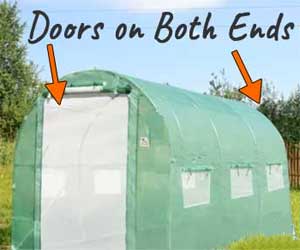
- The Hoop House (fast + affordable):
- Hoop houses use curved ribs (PVC or metal conduit) covered in greenhouse film. They’re one of the quickest ways to get protected growing space, and they scale up or down easily.
- Recycled windows greenhouse (character + savings):
- If you can score old windows from remodels, Habitat ReStore, or marketplace listings, you can build a charming greenhouse with tons of personality. It’s more labor than money—perfect if you like projects.
- Straw bale base (insulated + low concrete):
- Some DIYers use straw bales as a raised perimeter base. It can add insulation at ground level and define beds without pouring a full slab.
Small-Scale and Portable Greenhouses
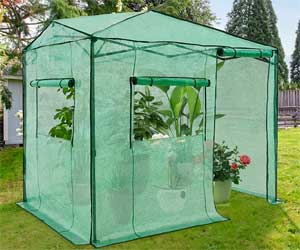
- Pop-up greenhouses (best for renters or seasonal use):
- Pop-up greenhouses open like a tent, store easily, and work great for early spring starts or temporary protection.
- Mini greenhouse kits (small footprint, big impact):
- Mini greenhouse kits are made for patios and tight side yards. Look for tall/narrow versions if you seen yourself going vertical with shelves.
- Tiered portable greenhouses (maximize shelf space):
- Tiered shelving designs let you grow up instead of out. Brands like Home-Complete and Best Choice Products have popular budget models.
DIY Greenhouse Kits and Suppliers
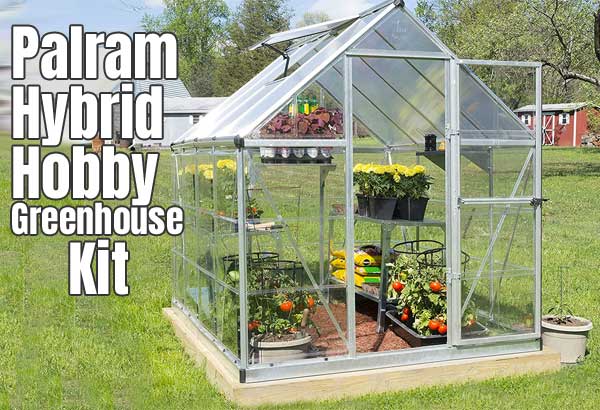
- Palram greenhouse kits:
- Palram offers everything from starter models to larger hobby structures. Many use polycarbonate panels and aluminum frames like the Palram Hybrid Greenhouse Kit.
- Harbor Freight:
- Harbor Freight carries value-focused greenhouse kits with straightforward instructions—often a good fit if you’re handy and want an affordable entry point.
- Gardener’s Supply Company:
- Gardener’s Supply sells kits, cold frames, and accessories, plus lots of season-extension gear if you’re not ready for a full greenhouse yet.
- Amazon:
- Amazon makes it easy to compare dozens of greenhouse styles, sizes, and reviews in one place—especially helpful when you’re still narrowing down what you want.
Whether you want a compact patio nursery or a walk-in greenhouse you can spend hours in, a DIY build can absolutely fit your budget and your skill level. Start with a realistic plan, keep the structure simple, and upgrade as you learn what your plants (and your schedule) actually need.
Pro Tips on Greenhouse Designs, Kits & Plans
1. DIY Gives You Control Where It Matters
The best part of DIY is that you build for your garden—not someone else’s “standard.” You can choose door placement, bench height, aisle width, and storage zones so your greenhouse feels easy to work in (which is what keeps you using it week after week).
2. DIY Can Save Serious Money (If You Shop Smart)
You’re mostly paying for materials, not markup or labor. And if you can source items locally or on sale—windows, lumber, hardware—you can keep costs in check. If budget is a big driver, it helps to review backyard greenhouse cost before you commit to a design.
3. Simple Beats Fancy (Especially for Your First Build)
Most experienced growers will tell you this: your first greenhouse is a learning greenhouse. Start with a solid, straightforward structure you can finish. Then you’ll know what you want to change—more vents, more shelves, different glazing—before you spend bigger money.
4. Design for Upgrades
A good greenhouse is never really “done.” Leave room for add-ons like extra shelving, a potting bench, drip irrigation, or supplemental lighting later. If you build in flexibility now, upgrades feel easy (not like a rebuild).
5. Ventilation Is the Difference Between “Thriving” and “Frying”
Overheating is one of the quickest ways to kill seedlings and frustrate new greenhouse owners. Work proper ventilation into your design from day one—roof vents, side vents, windows, and (in warmer climates) a fan to keep air moving.
6. Use Clear Panels When You Want Stronger Growth
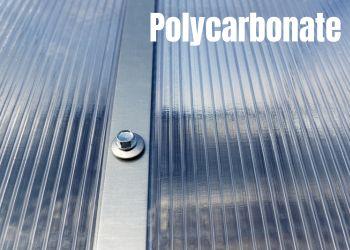
Light is the whole game. Polycarbonate and glass give you reliable light transmission and can also add insulation compared to thin plastic film. For the best results, don’t just think about the panels—think about placement too, using tips like optimal sun exposure.
Let the sun do the heavy lifting, and you’ll get stronger seedlings and better harvests with less effort.
7. If You Get Cold Winters, Insulation Deserves a Spot in the Plan
If you’re dealing with frost or you want to keep growing longer, insulation matters. Bubble wrap, thermal curtains, double-wall polycarbonate, and thermal mass can all help. Anything that smooths temperature swings makes greenhouse growing easier—and insulation helps regulate greenhouse temperature without constantly cranking heat.
DIY Greenhouse Plans & Blueprints: Best Resources
Once you know what you want to build, the next step is finding plans that are clear and realistic. Here are a few solid places to start:
- Ana White:
- Ana White’s greenhouse plans are DIY-friendly with materials lists and drawings that make the build process easier to follow.
- Family Handyman:
- Family Handyman offers a detailed build guide with photos and cut lists—great if you like having everything mapped out ahead of time.
- Gardener’s Supply:
- Gardener’s Supply has kits and accessories, plus helpful inspiration for layouts and season-extension setups.
- Harbor Freight:
- Harbor Freight kits come with assembly instructions that can double as a baseline plan if you want to customize later.
- YouTube build-alongs:
- Search greenhouse build videos and tours. Creators like Epic Gardening and The Gardening Channel With James Prigioni often share the real-life lessons you don’t get from a blueprint.
- Pinterest (ideas, not engineering):
- Use Pinterest for inspiration, then confirm the details (venting, anchoring, materials) with a real plan before you build.
- Local growing communities:
- Regional forums and groups are gold for climate-specific advice—especially on wind, snow load, and pest control.
Pros & Cons of DIY Greenhouse Designs
DIY greenhouse designs are a fantastic way to build a more self-reliant garden and stretch your budget—but they’re still real projects with real trade-offs.
Pros:
- Budget-friendly: You’re mainly paying for materials, which can be far cheaper than a finished structure.
- Custom fit: You choose the exact layout—seed starting, storage, vertical growing, or all of the above.
- Skill-building: You learn how to manage light, airflow, humidity, and heat like a real grower.
- Easy to modify: It’s simpler to upgrade something you built than to fight a kit that wasn’t designed to change.
Cons:
- Time: Planning, sourcing, and building takes longer than people expect (especially the first time).
- Skills: Some builds require carpentry, anchors/foundations, or basic electrical work.
- Fix-it risk: If sizing, anchoring, or venting is off, you may need to retrofit after the fact.
- Less support: DIY means fewer warranties and fewer “call customer service” solutions.
Frequently Asked Questions
What’s the easiest DIY greenhouse for beginners?
A hoop house or pop-up style is usually the easiest. It’s forgiving, inexpensive, and you’ll learn the basics of venting and temperature control quickly.
Do DIY greenhouses overheat in spring?
Yes—often. That’s why ventilation is such a big deal. Start with proper ventilation and add shading or fans if you’re in a hotter climate.
Is polycarbonate better than plastic film?
Polycarbonate usually lasts longer and insulates better, but it costs more. Plastic film is cheaper and works well for tunnels/hoop houses when installed tightly and replaced as needed.
What should I build if I want year-round growing?
A rigid framed greenhouse with solid glazing and intentional climate planning. Start with guidance for a year-round greenhouse, then build in heating, insulation, and watering from the start.
Conclusion
DIY greenhouse designs are one of the best ways to take control of your food garden—without waiting for perfect weather or perfect grocery prices. Keep your first build simple, prioritize sun exposure, ventilation, and watering, and you’ll end up with a greenhouse you actually love using. From there, you can upgrade as you learn and turn your structure into a reliable home base for seedlings, salad greens, and tomatoes that taste like they’re supposed to.


