
If you’re planning a greenhouse, the materials you pick will decide how it feels to use it for years. The frame affects strength and maintenance. The glazing controls light, heat retention, and storm resistance. And the floor determines drainage, cleanliness, and whether you’re constantly tracking mud everywhere. For most backyard growers, the most dependable “recipe” is a metal frame (aluminum or galvanized steel), polycarbonate or glass walls/roof, and a floor like concrete, gravel, or pavers.

Note: If you want a greenhouse that lasts, start with metal. Galvanized steel is the “built like a tank” option. Aluminum frames are lighter, rust-resistant, and almost always lower maintenance. Wood and PVC can work for starter builds, but they’re usually better for short-term or experimental setups. And while glass is gorgeous, it asks for more care and caution than polycarbonate.
Greenhouse Components and the Best Materials for Each
Most greenhouse headaches come from one of three places: a frame that flexes, glazing that fails, or a floor that stays wet and messy. Here’s how the common materials stack up when you want something sturdy and low-drama.
Metal frames: If your greenhouse is meant to be a real structure, metal is the safest bet. Steel and aluminum resist warping, handle wind well, and can support heavier glazing like glass or thick polycarbonate greenhouse panels. The key is corrosion protection—especially on steel.
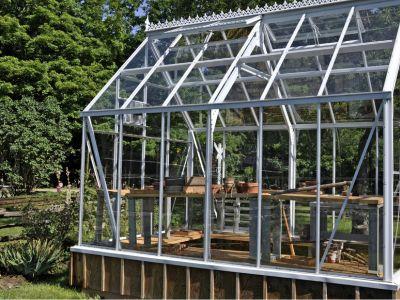
Aluminum frames: Aluminum is the “easy mode” material. It’s light, doesn’t rust, and plays nicely with the humidity and condensation that come with greenhouse life. That’s why so many pre-fab greenhouse kits use aluminum—it stays straight and clean with very little fuss.
Wooden frames: Wood looks incredible in a garden. It also needs regular sealing, and in damp climates it can rot or twist. If you love the look, plan for maintenance and use treated lumber where appropriate.
PVC frames: PVC is the budget-friendly way to try out a tunnel, hoop house, or temporary greenhouse. It’s easy to work with, but it’s not great for heavy snow loads or long-term durability.
Galvanized steel: For toughness, galvanized steel is hard to beat. It’s strong, handles wind and snow, and the zinc coating slows rust. This is a smart pick for growers who want a more rugged, year-round greenhouse setup.
Polycarbonate panels: Polycarbonate is a top glazing choice because it’s durable, safer than glass, and insulates well—especially multi-wall sheets. It’s also UV-resistant, and it diffuses light so plants get bright, even illumination instead of harsh hot spots.
Glass panels: Glass gives you unmatched clarity and that classic greenhouse look. It’s heavier, more breakable, and usually costs more to install. If you go glass, tempered/safety glass is worth it for peace of mind.
What Material Should You Use for Greenhouse Panels?
Your panels are the “weather skin” of the greenhouse. They control light levels, heat retention, and how well your structure holds up during storms. The most common options are glass, polycarbonate, and plastic film—and each one shines in a different situation.
Note: Pick glazing based on your goal. Glass wins on looks and clarity. Polycarbonate is the best all-around performer for most backyards. Plastic film is the low-cost option for seasonal builds and experimental DIY greenhouse designs.
1. Glass: Bright, beautiful, and traditional. It delivers excellent light transmission, but it doesn’t insulate well unless you invest in double glazing. It also demands a stronger frame because it’s heavy.
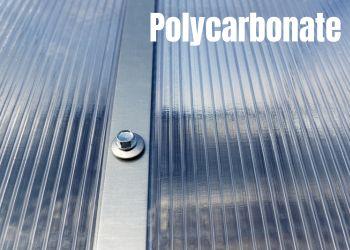
2. Polycarbonate: Lightweight, strong, and much more forgiving than glass in windy areas. It also holds heat better and spreads light evenly. If you want dependable performance without worrying about shattering panels, this is usually the best choice (see an example polycarbonate greenhouse here).
3. Plastic film: A classic for hoop houses and budget builds. Polyethylene film is quick to install and traps warmth fast, but UV exposure eventually breaks it down, so replacement is part of the deal.
Note: Glass gives strong direct light, which can create hot spots without airflow. Polycarbonate panels scatter light more evenly, but can still overheat if you skip vents. Plastic film warms up quickly too, which makes greenhouse ventilation and shading even more important.
Greenhouse Flooring Ideas (Best to Worst)
The floor is where greenhouse convenience is either made or lost. A good floor drains well, stays easy to clean, and doesn’t turn into a swamp every time you water. Here’s how the common choices usually play out.
Concrete: The cleanest, lowest-maintenance long-term option. It’s easy to sweep and hose down, and it’s great if you want to roll carts or move shelving around. If it feels too hard, add mats where you stand most.
Gravel: Fantastic drainage and budget-friendly. Gravel keeps puddles away, but it’s not as smooth for carts and can feel uneven underfoot.

Pavers: A great middle ground: tidy appearance, decent drainage, and you can re-level sections if they shift. They work especially well for smaller spaces, including lean-to greenhouse kits, where the greenhouse is part of the overall backyard look.
Rubber mats: Not a full floor, but an excellent upgrade. Mats reduce slipping and save your feet during long potting sessions. They pair well with concrete, pavers, or even compacted gravel. Quality options like rubber mats are easy to lift and clean underneath.
Dirt/soil: Cheap at first, annoying over time. Soil floors invite weeds, pests, and mud. They’re also harder to sanitize if you ever battle disease.
Wood: Looks nice… until it stays damp. Wood boards can rot, warp, and get slick. In most greenhouses, wood floors become a maintenance trap.
In general, concrete, gravel, pavers, and quality mats give you the best mix of drainage, hygiene, and comfort. Bare soil and untreated wood usually create more work than value.
Extra Greenhouse Coverings for Plant Protection
Your main glazing is just the starting point. Layering a few add-ons can make the greenhouse easier to manage in extreme heat, cold nights, or bright summer sun.
- Polyethylene film: A budget layer that boosts warmth. Double-layer film can improve insulation, and UV-stable film lasts longer.
- Fiberglass panels: Durable and fairly insulating. A solid roofing or sidewall option in some builds.
- Shade cloth: A must-have for hot climates. It cuts harsh light and helps control temps in a hot greenhouse.
- PVC film: Quick seasonal coverage for tunnels and temporary structures.
- Shade netting: Great for filtering light and creating calmer microclimates for specific crops.
Frequently Asked Questions
What’s the best greenhouse frame material for most backyards?
Aluminum is the easiest long-term choice because it resists rust and needs little upkeep. If you live in high wind or snow, galvanized steel can be worth the extra weight and strength.
Is polycarbonate better than glass for a hobby greenhouse?
For most people, yes. Polycarbonate is lighter, safer, and insulates better. Glass wins on looks and clarity, but it’s heavier and more fragile.
What’s the most budget-friendly greenhouse covering?
Plastic film is the cheapest upfront. Just plan for periodic replacement due to UV wear, and make ventilation a priority.
What flooring is easiest to clean?
Concrete is the simplest to sweep and rinse. If you want more drainage, pair it with a slight slope and good runoff planning, or use pavers with gaps for drainage.
Do I need shade cloth if I use polycarbonate?
Often, yes—especially in hot summers. Polycarbonate diffuses light, but greenhouses still heat up fast. Shade cloth plus good ventilation makes temperature control much easier.
Conclusion
The “best” greenhouse materials are the ones that match how you actually garden. If you want low maintenance, start with aluminum and polycarbonate. If you need maximum strength, bring in galvanized steel. If you want the classic showpiece look, glass is hard to beat—as long as you’re okay being a little gentler with it. Add a floor that drains and stays clean, and your greenhouse becomes a tool you’ll enjoy using instead of a project you constantly fix.
And if you’re still comparing options, browse my favorite greenhouse kits to see frames and panels that pair well with these material choices.


