
Trying to keep your small greenhouse warm through winter without blowing up your energy bill—or your conscience? The good news is you don’t need a single, expensive solution. With smart insulation, passive heat strategies, and targeted heaters, even a compact greenhouse can stay productive all winter. The ideas below range from ultra-low-cost tricks to higher-powered systems, all aimed at helping you build toward a practical year-round greenhouse.
1. Let the Sun Work for You: Passive Solar Heating
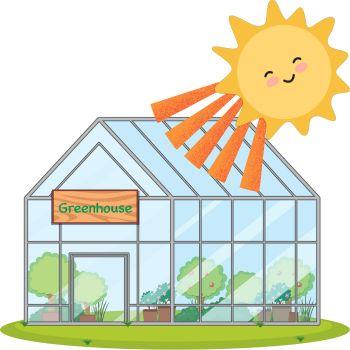
Passive solar heat is free, reliable, and often underused. By capturing sunlight during the day and slowing heat loss at night, you reduce how often backup heaters need to kick on. Simple upgrades like double glazing and quality greenhouse film, combined with smart greenhouse insulation strategies, can make a surprisingly big difference.
- Double glazing:
- Replacing single panels with double-glazed glass or twin-wall polycarbonate traps warm air between layers, keeping heat inside longer after sunset.
- Greenhouse film:
- UV-treated greenhouse film works as an inner liner or outer skin, acting like a clear thermal blanket—especially helpful for pop-up greenhouses.
Tip: Before adding heaters, stop heat loss. Seal cracks, weatherstrip doors, and cover vents at night. Thermal curtains or blankets can dramatically help small lean-to greenhouses.
- Thermal mass:
- Water barrels, stone paths, or masonry absorb heat by day and release it overnight, smoothing out temperature swings.
- Smart ventilation:
- Even in winter, sunny days can overheat a greenhouse. Roof vents or automatic openers help dump excess heat. More tips here: greenhouse ventilation basics.

Tip: A basic thermometer or thermostat helps you spot temperature dips early—before plants suffer.
2. Bubble Wrap: Cheap but Effective Insulation
Regular bubble wrap works surprisingly well as greenhouse insulation. Attach it inside panels with the bubbles facing the glazing. It softens light slightly but cuts heat loss dramatically—great for extending cold-season growing in small structures.
3. Heat Mats: Warm Roots, Cooler Air
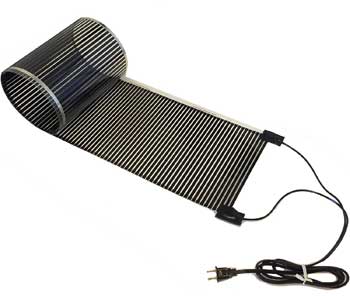
Roots care more about soil temperature than air temperature. Heat mats gently warm seed trays and containers, letting you keep the greenhouse cooler overall while plants stay comfortable.
Place mats on foam board or bubble wrap so heat goes upward—not into the ground. Models with thermostats help prevent overheating. This approach works especially well in compact spaces like a lean-to greenhouse.
Tip: Use timers or thermostats so roots get gentle day/night temperature swings, which many seeds prefer.
4. Electric Space Heaters
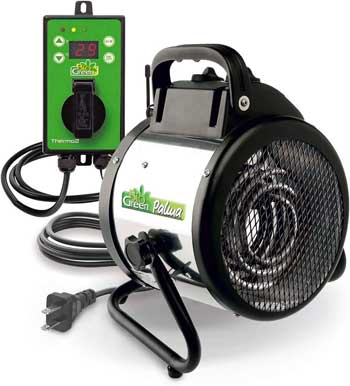
Electric space heaters are often the easiest backup heat for small greenhouses, especially if you already have power nearby. Used with insulation and thermostats, they can keep plants frost-free efficiently.
Position heaters to blow across aisles or under benches, not directly on plants. Circulation fans help spread warmth evenly.
Electric heaters work best in well-insulated structures like a polycarbonate greenhouse kit. Drafty pop-up greenhouses require more energy to maintain the same temperature.
5. Oil-Filled Radiators

Oil-filled radiators provide slow, steady warmth without blasting hot air. They’re quiet, gentle on plants, and ideal for maintaining baseline heat overnight.
6. Propane or Natural Gas Heaters
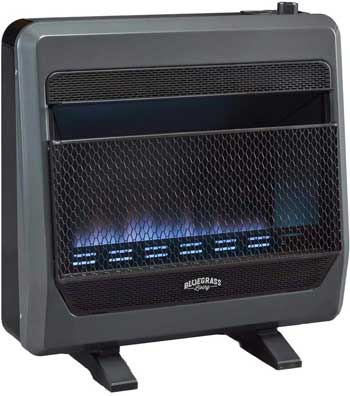
Propane or gas heaters deliver serious heat, making them useful in colder climates or larger hobby houses. They require proper ventilation and safety planning, but they’re powerful and reliable during deep freezes.
7. Geothermal Heat Pumps
A geothermal heat pump is a long-term, high-efficiency option. It’s usually overkill for small hobby greenhouses, but worth considering for permanent, high-investment setups.
8. Heat Recovery Ventilators (HRVs)
HRVs capture heat from outgoing air and transfer it to incoming fresh air. This allows ventilation without massive heat loss—helpful when managing condensation or humidity control in winter.
Frequently Asked Questions
What’s the cheapest way to heat a small greenhouse?
Start with insulation and passive solar. Sealing gaps, adding bubble wrap, and using thermal mass often reduce the need for heaters.
Do I need a heater if I only want frost protection?
Sometimes no. Passive solar, insulation, and heat mats can be enough unless temperatures drop well below freezing.
Are electric heaters safe in greenhouses?
Yes—if they’re outdoor-rated, paired with thermostats, and kept clear of water and foliage.
Can I mix heating methods?
Absolutely. Most successful winter setups combine insulation, passive solar, targeted heat (like mats), and backup heaters.
Conclusion
The most affordable way to heat a small greenhouse isn’t one big heater—it’s layering smart strategies. Seal and insulate first, capture free solar heat, warm roots directly, and use efficient backup heaters only when needed. With a thoughtful setup, you can enjoy year-round greenhouse growing without shocking your utility bill.


