

It’s tempting to treat a greenhouse like “just a big plant tent” and start building this weekend. But the moment it looks like a real structure (doors, panels, frame, maybe a foundation), your city may treat it like any other backyard building. In other words: the permit question is worth answering before you order materials and fall in love with the perfect spot.
The safest first move is simple: check what your local rules allow for size, placement, and whether a permit is required. This applies to everything from a small walk-in kit to a larger polycarbonate greenhouse. Your city or county building/planning department can tell you what category it falls under, how close it can be to property lines, and what changes (like power or a slab) trigger extra requirements.
TIP: Go to your city/county website and search for “accessory structures,” “sheds,” or “greenhouse.” Or just call. Ask about setbacks, max height, max square footage, and whether greenhouse kits are handled the same way as sheds. Ten minutes now can save you a headache later.
In many areas, smaller backyard models—especially polycarbonate greenhouse kits used for personal gardening—often land in a lighter “accessory” bucket. But rules usually tighten up once you cross a certain footprint, add a permanent foundation, or run electrical. Portable structures and mini greenhouses on wheels tend to have fewer hurdles than large, permanent backyard nurseries.
Do You Need a Permit for a Greenhouse? The Steps to Take…

Think of the permit step like checking sun exposure or measuring your footprint—it’s part of planning. Here’s the easiest way to handle it without spiraling into paperwork panic:
- Call the right office: Contact your city or county building department (or planning/zoning if that’s how your area does it). Tell them you’re planning a backyard greenhouse and share the approximate size.
- Ask how they classify it: Some places treat greenhouses exactly like sheds. Others have a separate category. Mention it’s for home gardening (not commercial) and that it’s a pre-fab kit if that’s what you’re buying.
- Confirm your zoning district: Your zoning category determines what accessory buildings are allowed and where they can go.
- Get a yes/no on permits: Ask directly: “Does a greenhouse of this size require a building permit?” Have your dimensions ready.
- Verify setbacks: Ask how far the greenhouse must be from property lines, fences, easements, and other structures—especially important if you’re squeezing in a medium-sized greenhouse kit.
- Ask about the foundation rule: A greenhouse on blocks or a frame is often treated differently than one on a poured slab. If you plan to pour concrete, ask if that changes the requirements.
- Check height limits: Taller walk-in models, ridge vents, and lean-to designs can bump up against height restrictions. Get the max height in writing if possible.
- Mention utilities: Adding electrical circuits, heaters, fans, or irrigation plumbing may trigger permits or inspections even if the structure itself is exempt.
- Ask about inspections: If a permit is required, find out what they inspect (foundation, framing, electrical, final).
- Get costs and timing: Ask what the fee is and the typical approval timeline so you can plan your build and avoid delays.
Once you do those steps, you’re no longer guessing. And that’s the goal—build your greenhouse with confidence, not crossed fingers.
Does a Greenhouse Need a Foundation?
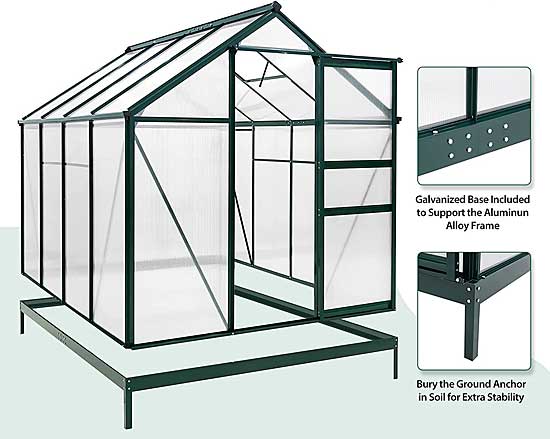
Not always. A lot of greenhouse kits are designed to sit on a level base and use their own perimeter frame or ground-anchor system. That can be enough for stability without pouring concrete—especially in mild climates or sheltered yards.
Note: Many pre-fab greenhouse kits include a base frame or anchoring method that works like a “light foundation.” It helps keep the greenhouse square and secure, and it’s often faster and cheaper than a slab.
That said, if you want a “forever greenhouse” or you’re in a windy/snowy area, a more permanent base can be worth it. Just remember: the more permanent it looks, the more likely it is to be treated like a traditional outbuilding for permitting. Always check before you commit to concrete or major site work.
4 Steps to Building a Greenhouse Foundation:
1. Pick the right base style. Common options include a concrete slab, pavers, a pressure-treated wood frame, or a simple cinder block foundation. Choose what matches your kit, budget, and weather.
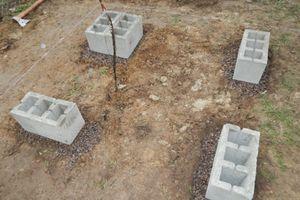
2. Mark the exact footprint. Use stakes and string, then measure corner-to-corner so your layout is square. This is one of those boring steps that makes the entire build go smoother.
3. Prep the ground. Remove sod/topsoil, level the area, and compact the base. Add gravel if needed for drainage. Uneven ground is one of the main reasons greenhouse doors won’t line up later.
4. Install and level the foundation. Set blocks/pavers, build your frame, or pour your slab according to your plan and the greenhouse manual. Check level as you go, then secure the greenhouse base to the foundation once it’s solid.
Frequently Asked Questions
Do most backyard greenhouses require a permit?
It depends on your city/county rules. Smaller personal-use greenhouses may be exempt, but size, height, and permanence often change the answer.
What usually triggers a permit?
Common triggers include a larger footprint, a permanent slab/foundation, electrical service, plumbing, or placement close to property lines.
Are greenhouse kits treated like sheds?
Often yes, but not always. Some areas classify greenhouses separately. That’s why it’s worth asking the building department directly.
Can I build a greenhouse without a foundation?
Many kits can sit on a level base with an included frame or anchors. In windy or snowy areas, a stronger foundation usually helps.
What information should I bring when I call the city?
Dimensions (length/width/height), where it will sit on the lot, whether it’s a kit, and whether you’ll add power, heat, or a slab.
Conclusion
If you’re wondering whether you need a permit for a greenhouse, don’t guess—verify. A quick call to your local building department, plus clarity on setbacks, height, and foundation rules, keeps your project smooth and stress-free. Once you know the rules, you can choose the right greenhouse kit, prep the base (if needed), and build your backyard growing space without worrying about surprise problems later.


