
Humidity is one of those greenhouse “silent bosses.” If it stays too high, you’ll fight mildew, mold, and soggy leaves that never dry. If it drops too low, plants transpire like crazy, wilt faster, and growth slows to a crawl. The sweet spot usually comes from a smart combo of greenhouse ventilation, light shading, and (when needed) short bursts of misting or a little dehumidifying. With a few habits and the right tools, you can keep plants looking lush instead of stressed.

How to Maintain the Right Humidity Level in Your Greenhouse
- Check your numbers daily (seriously): Use a hygrometer or combo temp/humidity monitor and actually look at it. Humidity can change fast—especially in a polycarbonate greenhouse kit that warms up quickly in sun.
- Ventilation does most of the work: Roof vents, side vents, and circulation fans push damp air out and pull fresh air in. If humidity keeps collecting in corners or along the roofline, revisit your airflow plan using this guide on ventilation for greenhouses.
- Mist in short “refresh cycles”: Misting is great for raising humidity and cooling air in dry heat, but the goal is a light fog that disappears—not wet leaves for hours.
- Shade to prevent humidity spikes: Shade cloth or interior blinds reduce overheating, which reduces how fast water evaporates from soil and benches. Think “bright and filtered,” not “full blast sun.”
- Use a dehumidifier when it feels swampy: In rainy climates or tightly sealed houses, a dehumidifier can stop condensation and mildew. Run it enough to keep surfaces dry, but don’t turn your greenhouse into desert air.
- Zone plants by moisture needs: Put humidity lovers together (ferns, orchids, tropicals). Keep dry-air plants (succulents, Mediterranean herbs) in a separate area with stronger airflow and less misting.
- Stabilize temperature to stabilize humidity: Big temperature swings cause big humidity swings. A sealed, insulated greenhouse plus good greenhouse temperature control keeps the air more predictable.
- Water like a pro: Overhead watering leaves everything wet and drives humidity up. Aim water at the soil, use drip when possible, and avoid constant “little splashes” that keep the greenhouse damp all day.
- Clean + thin plants so air can move: Remove dead leaves, prune crowded growth, and keep aisles open. Airflow around foliage is one of the best disease preventers you’ve got.
- Automate if you’re busy or away a lot: Controllers can run fans, vents, misters, or dehumidifiers based on real readings—so you’re not constantly tinkering.
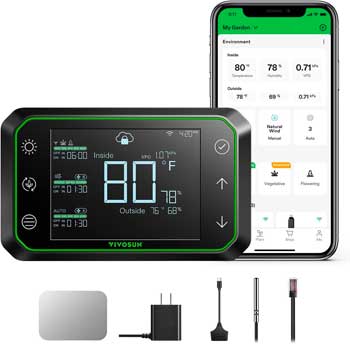
If you want tighter control, pair temperature and humidity sensors with automated gear. A smart greenhouse controller can coordinate fans, vents, heaters, and misters so your humidity stays in range without constant manual adjustments.
Also see: How to Regulate Greenhouse Temperature and this guide to small greenhouse watering systems if you want even more control over your growing conditions.
Ideal Humidity Levels for Different Types of Plants:
- Tropical plants: Many do best around 60–80% humidity when temps are warm (think philodendrons, calatheas, etc.).
- Succulents & cacti: Usually happiest in drier air, around 20–40%. High humidity + cool nights is a rot recipe.
- Flowering ornamentals: Most are comfortable in the 40–60% range—hydrated leaves without constantly wet petals.
- Leafy greens: Often like 50–70% so leaves stay crisp, assuming airflow is strong enough to prevent disease.
- Herbs: Many thrive around 40–60% with good airflow and consistent soil moisture.
- Ferns: Generally prefer it moist—often 50–80%—but they still need moving air so fronds don’t stay wet.
- Citrus: Typically does well around 50–70%, especially in winter when the air can get dry but roots still need steady moisture.
- Orchids: Many like 50–70% plus airflow that keeps the growing area from staying damp.
Use these ranges as starting points, then watch how your plants respond. Your hygrometer gives you the data, but your leaves will tell you the story.
The Consequences of High Humidity in a Greenhouse:
If humidity stays high day after day, a greenhouse can turn into a disease factory. Wet surfaces never dry, spores spread faster, and pests move in for the party.

Fungal outbreaks: Powdery mildew, botrytis, and leaf spots love warm, damp air—especially when leaves stay wet.
Root issues: High humidity often pairs with overwatering. Roots sit in soggy soil, lose oxygen, and rot becomes more likely.
Pest pressure: Fungus gnats thrive when algae and damp organic material build up, and aphids often do well in warm greenhouse conditions.
Faster disease spread: In still, moist air, problems move from one plant to the next in a hurry.
Pollination trouble: Heavy, steamy air can make pollen clump and can discourage pollinators from moving around.
Condensation + light loss: Water droplets on panels block light and keep surfaces wet longer, which feeds the cycle.
Bottom line: if you stop humidity from staying high for long stretches, you prevent most of the greenhouse drama before it starts.
Problems with Low Humidity on Greenhouse Plants:
Too-dry air is stressful too—especially for seedlings and tropical plants. When humidity is low, plants lose water through their leaves faster than roots can replace it.

- Slow growth: Plants pause growth to conserve moisture.
- Brown tips and crispy edges: Classic sign of leaf moisture loss.
- Spider mites get comfortable: Dry conditions favor them, especially on stressed plants.
- Fewer flowers/fruits: Plants may drop buds or reduce production when stressed.
- Root stress: Soil dries fast, feeder roots die back, and the plant struggles even more.
When you stay near the preferred range for your main plant groups—and tweak seasonally—growth stays steady and plants bounce back faster.
How to Naturally Control Humidity in a Greenhouse Without Equipment:

Before you buy gadgets, try low-tech fixes. They work surprisingly well in many hobby setups (including a mini greenhouse on wheels).
- Open vents when weather allows: Cross-breezes clear moisture quickly. More tips here: greenhouse ventilation.
- Water early: Morning watering lets foliage and surfaces dry before nightfall.
- Mulch beds lightly: Compost, bark, or straw helps smooth evaporation swings (not too thick in damp climates).
- Prune and space plants: Air can’t flow through a wall of leaves. Thin crowded growth.
- Manage temperature swings: More stable temperature = more stable humidity. Use ideas from this temperature guide.
- Add water mass (carefully): A barrel can buffer humidity and temperature, and it doubles as irrigation storage. If you’re curious about rainwater collection, here’s a practical guide: how to install a rain barrel.
Which Humidifiers & Misters Best Control Greenhouse Humidity?
Dehumidifiers: In persistently damp climates, a solid dehumidifier can pull moisture out fast and reduce mold risk—especially in a tight greenhouse where ventilation is limited.
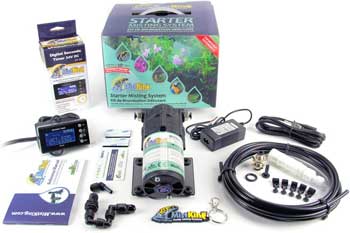
Misting systems: A purpose-built kit like the MistKing Starter Misting System produces fine droplets that raise humidity and cool air without drenching plants. Use timers and short cycles so foliage dries between bursts.
Ventilation fans: A strong exhaust fan such as the iLiving Wall-Mounted Exhaust Fan clears warm, damp air quickly. Pair it with intake vents so you’re not just recirculating the same humid air.
Shade cloth: A shade cloth like this reduces solar gain and slows humidity spikes caused by overheating (especially helpful mid-summer).
Hygrometers: Monitoring is half the battle. Something simple like the AcuRite Digital Hygrometer helps you stop guessing and start adjusting based on real numbers.

Automated controllers: Devices like the Inkbird IHC-200 Humidity Controller can switch fans, misters, or a dehumidifier on/off when humidity drifts outside your target range. This is the easiest way to get steady results without hovering in the greenhouse all day.
Note: Most greenhouse owners get the best results by starting with ventilation + shade first, then adding misting or dehumidifying only if their climate demands it—similar to how you’d choose features when comparing backyard greenhouse kits.
8 Ways to Prevent Condensation on Greenhouse Walls & Windows:
Condensation happens when warm, moist greenhouse air hits a cold panel. If you’re getting constant dripping, it reduces light, keeps surfaces wet, and encourages algae. Try these:

- Increase airflow: Use vents + circulation fans so moisture doesn’t cling to panels.
- Reduce the cold surface effect: Insulation or double-layer glazing lowers the temperature difference.
- Stabilize nighttime temps: A thermostat-controlled heater prevents sharp drops that trigger morning condensation.
- Water in the morning: Late watering adds humidity right when temps are about to fall.
- Vent briefly on damp days: Even short venting clears moist air without overcooling.
- Seal drafts: Stop random cold-air leaks that cool interior surfaces quickly.
- Use shading wisely: Prevent big “heat up / cool down” swings that drive condensation cycles.
- Consider anti-condensation film/coatings: These help moisture sheet off instead of forming drips.
What is the Energy Cost to Maintain Greenhouse Humidity Levels?
Humidity control can raise energy use if you rely on powered equipment. Dehumidifiers, exhaust fans, heaters, and misting pumps all add to the bill—especially in extreme weather or poorly insulated structures.
The good news: good design lowers costs. Strong passive ventilation, shade cloth, and smart watering habits reduce how often equipment needs to run. Add an efficient controller, and you’ll avoid running fans or dehumidifiers longer than necessary.
Frequently Asked Questions
What humidity should a greenhouse be?
It depends on what you grow, but many common greenhouse crops do well in a moderate range when airflow is good. Use plant type as your guide (tropicals higher, succulents lower) and avoid staying “so wet it drips” for long periods.
How do I lower humidity quickly?
Vent first (roof vents + door/side vents), then run an exhaust fan. If weather is damp and ventilation isn’t enough, a dehumidifier can help.
Is misting bad for plants?
Not if you use it in short bursts. Constant mist that keeps leaves wet for hours can invite fungal problems. Aim for quick cycles that raise humidity without soaking foliage.
Why is my greenhouse wet every morning?
That’s usually condensation from warm, moist air hitting cold glazing overnight. Stabilizing nighttime temperature, venting briefly, and watering earlier in the day can reduce it.
Do I need a controller, or is a hygrometer enough?
A hygrometer is enough if you’re home and can adjust vents/fans daily. If you’re away often, a controller can protect plants by reacting quickly to changes.
Conclusion
Humidity control gets easier when you treat it like a system: airflow first, then shading, then fine-tuning with misting or dehumidifying. Watch your readings, water wisely, keep plants spaced, and don’t let condensation hang around. Once your greenhouse stays in a steady range, plants grow faster, disease pressure drops, and your whole setup feels far more “hands-off.”


