
If you’re brand new to greenhouse gardening, you don’t need a massive structure to get real results. For most beginners, a compact backyard greenhouse with a 6′ x 8′ or 8′ x 10′ footprint gives you plenty of space to start seeds, grow greens, and learn how your microclimate behaves.
But here’s what happens to almost everyone: once you’ve got shelves full of seedlings and a few “must-try” tomato varieties, the greenhouse magically shrinks. That’s when larger options—like a 10′ x 12′ or even a 10′ x 20′ tunnel—start to look pretty appealing.
Bigger greenhouses give you more bench space, easier airflow, and room for an actual work area (instead of potting plants on the floor like a raccoon). As you compare sizes, it helps to think through your plants, yard space, mobility, and budget. You can also pair this guide with the deeper sizing breakdown in what size greenhouse should I buy?
1. What Do You Actually Want to Grow?
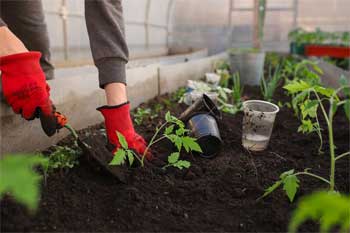
Start here, because plant choice quietly decides everything. Are you mostly starting seedlings and keeping herbs happy? Or are you picturing a jungle of cucumbers, tall tomatoes, peppers, and maybe a few potted citrus trees?
Seed trays, lettuce, and herbs are “small-space friendly.” With shelves on both sides, a modest greenhouse can hold a surprising number of starts. Fruiting plants and vines are a different story. Indeterminate tomatoes, trellised cucumbers, and larger pots need more headroom, wider aisles, and enough space to move around without snapping branches every time you turn around.
If you’re aiming for a true backyard nursery—or a year-round growing space—think beyond just “plant space.” You’ll also want room for a potting bench, storage, and decent airflow between plant rows.
Quick veggie reality check: A 6′ x 8′ greenhouse is often enough to support basic veggie starts and a few warm-season crops for a small household (about 2–4 people). If you want multiple harvest waves, more variety, or larger fruiting plants, moving up to 10′ x 12′ (or bigger) feels less cramped fast.
2. How Much Space Do You Have in Your Yard?
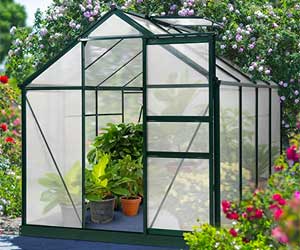
Your yard is the final judge, no matter how ambitious your plant list is. If you have a sunny, open area, you can choose from full-size freestanding pre-fab greenhouse kits, larger tunnel houses, or hobby houses with real walkways and work zones.
If you’re working with a narrow side yard, patio, or tight suburban setup, you may get better results with a smarter shape—not just a smaller greenhouse. A lean-to greenhouse can be a great workaround because it uses existing walls (and often stays warmer), especially when placed on a sunny south- or west-facing side and planned around optimal sun exposure.
Common regret: A lot of backyard gardeners wish they’d gone bigger from day one. Plants multiply fast. If the space allows, choose the largest greenhouse that fits comfortably and stays within local setback rules.
Also leave room for the “stuff” that makes a greenhouse usable: shelves, a table, storage bins, fans, heaters, and clear walkways.
3. Do You Want Something Portable or Permanent?
Some people want a greenhouse that’s basically a mini building. Others want something they can set up for spring and pack away later. Both are valid—it just changes what size makes sense.
Permanent structures (wood, aluminum, rigid panels) hold up better in wind and weather, especially when built on a proper greenhouse foundation. They’re great if you plan to stay put and eventually add power, heating, or irrigation lines.
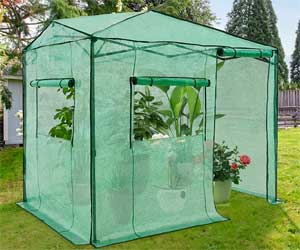
If you want flexibility, pop-up greenhouses and lightweight walk-in tents are easy to assemble, move to chase the sun, and take down when the season changes. They’re a smart “try it before you commit” option, especially for renters or first-timers.
4. What’s Your Budget (and Your Real “All-In” Cost)?
Setting a budget early keeps you from falling in love with a greenhouse that costs twice what you planned. Many backyard greenhouse kits for beginners land somewhere between $100 and $1,000+ depending on size, frame material, and glazing.
Soft-cover pop-ups are usually the lowest cost and work well for simple season extension. Tunnel-style houses often give you the best “space for the money,” as long as you’re comfortable anchoring them properly and doing occasional maintenance. Polycarbonate panel greenhouses tend to sit in the middle range and are popular because they balance durability, light diffusion, and insulation. If you’re considering that style, compare options in this polycarbonate greenhouse kit guide.
One more budget note that surprises people: larger greenhouses can be a better value per square foot. If you expect to grow more over time—or want extended-season growing—a slightly larger model can be cheaper in the long run than replacing a too-small one later.
And don’t forget the DIY advantage: many hobby greenhouse kits are weekend projects for two people with basic tools. Skipping professional installation can free up money for shelving, irrigation, fans, and a better thermometer.
3 Beginner-Friendly Greenhouse Kits to Consider
Here are three popular options that cover the most common beginner needs: a durable panel kit, a budget portable kit, and a big tunnel for maximum growing space.
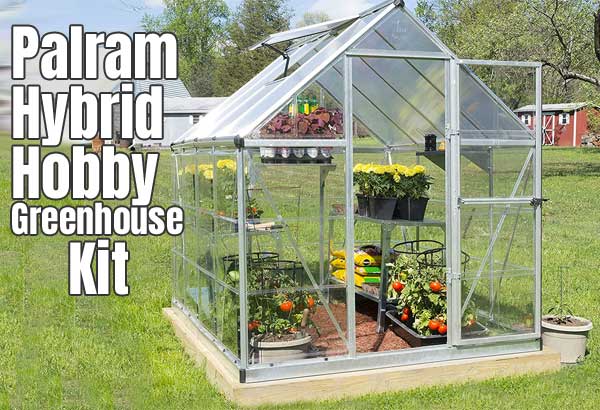
Palram Canopia Hybrid Hobby Greenhouse: A solid “first serious greenhouse” because it balances price, strength, and insulation. Details like an adjustable roof vent and built-in gutters make it practical (and less fussy) for everyday backyard growing.
Outsunny 6′ x 8′ x 7′ Portable Walk-In Garden Greenhouse: A great starter choice if you want low cost and flexibility. It’s lightweight, easy to set up, and the roll-up mesh windows help you manage airflow on warm days.
Quictent 20′ x 10′ x 6’6″ Tunnel Greenhouse: If you have room and want lots of covered growing space without a huge price tag, tunnel houses are hard to beat. The walk-in layout makes it easy to create rows, benches, and zones.
Frequently Asked Questions
Is a 6′ x 8′ greenhouse big enough?
For beginners, yes. It’s plenty for starting seeds, growing greens, and learning greenhouse basics. If you want tall crops, lots of containers, or a workbench, you’ll fill it faster than you think.
Should I buy bigger than I think I need?
If your yard allows it, usually yes. Most people expand their plant list within a year. Bigger also helps with airflow and makes the space more comfortable to work in.
What size greenhouse is best for tomatoes?
Tomatoes do best with extra headroom and aisle space for staking, pruning, and harvesting. Many gardeners find 8′ x 10′ to 10′ x 12′ more comfortable than smaller sizes for fruiting crops.
Is a pop-up greenhouse worth it?
Absolutely, especially for first-timers, renters, or seasonal growers. It’s an easy way to extend your season and see what you enjoy growing before investing in a permanent structure.
Do I need a foundation for a small greenhouse?
For rigid-frame kits, a foundation often improves stability and helps prevent drafts and shifting. If you’re on the fence, start here: greenhouse foundation options.
Conclusion
The “right” greenhouse size is really about how you want to use it. Think through your plant list, your yard space, whether you want portable vs permanent, and what you’re comfortable spending. Then choose the size that gives you breathing room—because most gardeners don’t regret having extra space. If you want more help, compare models in top-rated greenhouse kits and use this greenhouse sizing guide to double-check your plan.


