
Keeping a greenhouse in the “happy zone” isn’t magic—it’s a few smart systems working together. Good ventilation prevents heat from piling up. Shading slows down solar blast in summer. Insulation helps you hold warmth in winter. Stack those basics, and your plants stop swinging between “too cold to grow” and “why is it 100° in here?”

When it’s hot, you may need fans, shade cloth, or evaporative cooling to pull temps down fast. Year-round, using thermostats and simple temperature + humidity controls helps you stay in that sweet spot where plants grow steadily and disease pressure stays lower.
- How to Maintain a Consistent Temperature in a Greenhouse
- How to Balance Temperature & Humidity
- Greenhouse Insulation Options
- Best Methods to Cool Down the Temperature
- How to Maintain Greenhouse Temperature in Extreme Weather
- How to Prevent Frost Damage to Your Plants
- How Can Shade Cloths Help Control Greenhouse Temperature
- Automated Systems that Control Greenhouse Temperature
The Short Version of How to Regulate Greenhouse Temperature:
Start with airflow. Hot air rises, so roof vents do a lot of heavy lifting. Add side vents (or a cracked door) so cooler air can enter. And if you want a big upgrade without a lot of fuss, combine roof vents, side vents, and a small exhaust fan to keep air moving consistently.

In colder months, layer in heat. Even basic electric or gas heaters for winter greenhouses can keep growth from stalling—especially when your structure is insulated and draft leaks are under control.
If you want “set it and forget it” control, an automatic greenhouse control system can turn fans/heaters on and off (and sometimes open vents) using sensor readings. That’s a lifesaver in a year-round greenhouse when you can’t be there all day to babysit the climate.
Bonus: automation usually tightens your temperature swings, which reduces plant stress and often saves energy because equipment runs only when it has to.
1. How Do You Maintain a Consistent Temperature in a Small Greenhouse?
Small greenhouses change temperature fast. One sunny morning can turn “cool and fine” into “why are my seedlings wilting?” Here’s how to stabilize things:
- Insulate like you mean it: Add greenhouse bubble wrap or interior insulating film to slow heat loss and soften day/night swings. If you’re shopping for a new structure, double-wall panels (like many quality greenhouse kits) make a noticeable difference.
- Use thermostat-controlled heat: A small heater is less about “making it warm” and more about preventing dangerous dips. For winter, follow these greenhouse heating strategies so you don’t overpay for warmth.
- Vent early (before it’s too hot): Open vents when temperatures start rising, not after the greenhouse is already roasting.
- Add adjustable side vents: Louvered side vents give you more control than “door open or door closed.”
- Shade during peak sun: A simple shade cloth can drop inside temps significantly and helps prevent leaf scorch.
- Measure what’s happening: A digital thermometer (or temp/humidity monitor) turns “guessing” into “knowing.”
- Use nighttime covers: Thermal curtains or frost cloth over benches traps warmth around plants like a blanket.
- Learn your hot/cool zones: The door, corners, and glazing edges can be cooler at night. Put sensitive plants more central and use edges for hardier crops.
Once you’ve got insulation, controlled heat, and a reliable way to dump hot air, greenhouse temps become way more predictable.
2. How Do You Balance Greenhouse Humidity & Temperature?

Temperature and humidity are tied together. Warm air holds more moisture, and wet soil plus heat can spike humidity fast. The trick is keeping the air fresh without chilling your plants.
- When it’s too dry: Mist the floor lightly or use shallow water trays near plants (not directly under foliage). For more strategies, see how to control greenhouse humidity.
- When it’s too humid: Vent briefly to clear condensation. Even 5–10 minutes of fresh airflow can help.
- Add gentle circulation: A small oscillating fan breaks up hot, wet “pockets” and evens out conditions.
- Shade prevents the humidity spike: When you reduce overheating, you also reduce the rapid evaporation that drives humidity up.
- Seal random drafts, keep controlled vents: You want ventilation you can manage, not mystery leaks.
3. What Greenhouse Insulation Options are Most Effective?
- Double-wall polycarbonate: Twin-wall panels trap air and insulate well—one reason a polycarbonate greenhouse kit is a popular choice for colder regions.
- Bubble wrap insulation: Affordable and surprisingly effective for winter heat retention.
- Thermal screens/curtains: Close at night, open on sunny days. Great for smoothing temperature swings.
- Foam board (strategic placement): Use it on lower walls, north wall areas, or under floors/paths to reduce heat loss.
- Seasonal wind blocks: Straw bales along the windward side can create a quick “insulation wall” for winter.
You don’t need every insulation trick. Pick what fits your climate and whether you’re aiming for three seasons or full year-round growing.
4. Best Methods to Cool Down a Greenhouse in Hot Weather:
When a greenhouse overheats, don’t rely on one fix. Stack a few cooling methods so you can respond quickly.
- Shade cloth: Cuts solar gain without turning your greenhouse into a cave.
- Ventilation: Open roof vents first (hot air rises), then side vents/doors to pull cooler air in.
- Exhaust fans: A fan creates dependable air exchange when there’s no breeze outside.
- Evaporative cooling: Misters or evaporative coolers can drop temperatures effectively—especially in dry climates.
- Water earlier: Use drip or a gentle greenhouse watering system in the morning so plants start the day hydrated without adding night-time humidity.
5. How Do You Maintain Greenhouse Temperature in Extreme Weather?
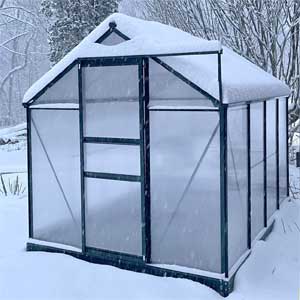
Extreme heat and deep cold are both manageable if you plan for them. In heat waves, prioritize shade + ventilation + fans. In hard freezes, prioritize insulation + reliable greenhouse heating + nighttime covers.
If you want a big safety net, add sensors (or a controller) so you’re not discovering problems too late. Even basic remote monitoring can prevent a “lost crop” situation.
And don’t forget airflow in winter. You may only vent briefly, but clearing condensation helps prevent mold and plant disease.

Note: Temperature control is easier (and cheaper) when you build in ventilation, shading, and insulation from day one—rather than trying to “fix” an overheating greenhouse mid-summer.
6. How to Prevent Frost Damage to Your Plants in a Cold Greenhouse:
- Cover plants on cold nights: Frost cloth or thermal blankets over benches adds a quick, targeted buffer.
7. How Can Shade Cloths Help Control Greenhouse Temperature?

Shade cloth is basically climate control for cheap. It filters harsh sun, reduces temperature spikes, and evens out light so plants aren’t baking in one corner and struggling in another.
Less leaf scorch: Great for seedlings and shade-tolerant crops.
Cooler afternoons: Cutting solar gain can drop indoor temps by several degrees.
Slower evaporation: Soil stays moist longer, so you water less often.
More uniform growth: Plants get steadier light levels across the space.
8. Are There Automated Systems that Control Greenhouse Temperature?
Yes—and you don’t need a commercial setup to benefit. Even one automated piece (like a thermostat-controlled fan) can make your greenhouse easier to manage.
Controllers + sensors: A basic greenhouse controller can turn fans/heaters on and off based on temperature.
Automatic vent openers: Vents open when it warms up and close as it cools.
Automated shading: Motorized shade systems can deploy during peak sun.
Timed misting/evap cooling: Systems run only when needed, instead of all day.
Frequently Asked Questions
What temperature should my greenhouse be?
It depends on what you’re growing, but most common greenhouse crops do best when temperatures stay consistent and avoid big spikes. Use your plants as clues: wilting midday often means overheating; stalled growth often means nights are too cold.
Do I need a fan in a small greenhouse?
In most cases, yes. A small fan helps prevent hot spots, improves airflow, and reduces fungal issues by drying condensation faster.
What’s the fastest way to cool a greenhouse down?
Open roof vents + door/side vents immediately, then add shade cloth. If heat is still climbing, use an exhaust fan or misting/evaporative cooling.
Does insulation reduce light too much?
Some methods (like bubble wrap) diffuse light but don’t necessarily “darken” the greenhouse as much as people fear. It’s often worth it in winter because you gain warmth and stability.
Can I vent a greenhouse in winter?
Yes—briefly. Short ventilation sessions help clear condensation and reduce mold risk. Just close up again before temps dip.
Conclusion
Greenhouse temperature control comes down to three moves: move air, manage sun, and hold heat when you need it. Start with vents and airflow, add shade cloth for summer, and use insulation plus thermostat-controlled heat for winter. Once you dial in those basics (and add automation if you want), the greenhouse becomes far less stressful—and your plants grow like they’re on a steady schedule.
Reputable Resources for More Information


