
Let’s talk solar for a second—because it’s one of the nicest ways to cut greenhouse operating costs without giving up healthy, steady growth. Solar panels turn “free” sunlight into electricity you can use for heat, airflow, and automation. That means fewer winter bill shocks, a smaller footprint, and a greenhouse that can run more independently.
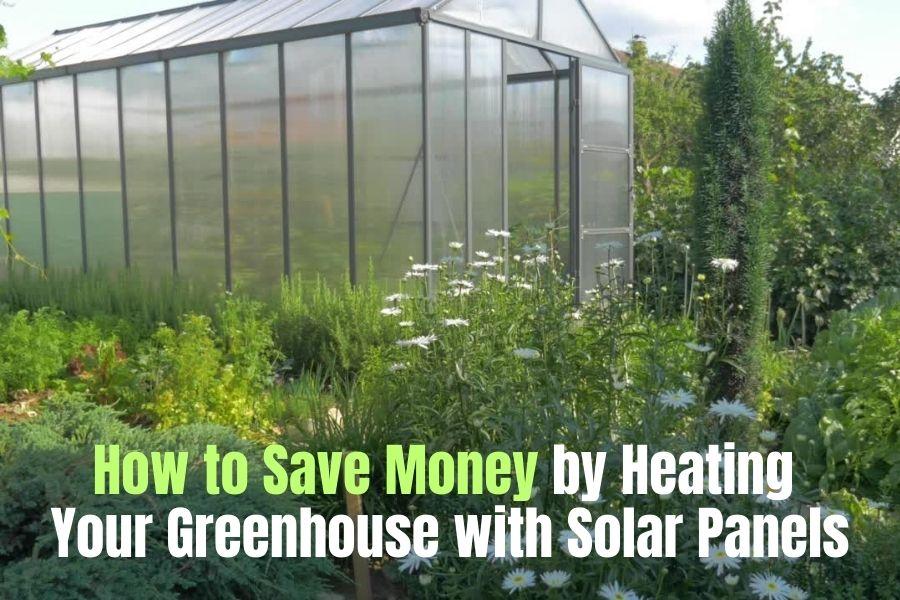
How Do Solar Panels Heat a Greenhouse?
Solar panels don’t “make heat” directly. They make electricity from sunshine. Then that electricity runs the things that control your greenhouse temperature—like an electric heater, circulation fans, or a pump that moves warm water through tubing.
The real magic happens when you stop guessing and start automating. If you connect your system to sensors and a controller, you can keep the climate in a comfortable range without hovering over a thermometer all day.
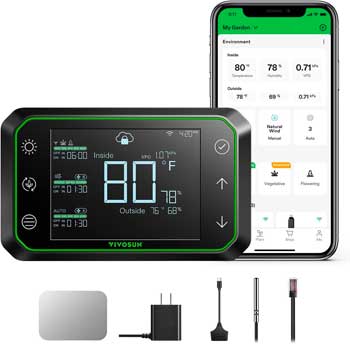
A simple setup might include temperature and humidity sensors plus a smart greenhouse controller. The controller can switch devices on/off based on your target temperature—so fans kick on when it’s hot, and heat kicks on when it dips too low.
Also see: How to Regulate Greenhouse Temperature for more ways to balance heat, ventilation, and shade across seasons.
When you combine solar + monitoring + automation with a well-designed greenhouse kit, you end up with a climate system that’s more consistent and way less hands-on.
What Are the Best Solar Panels for Greenhouse Heating?
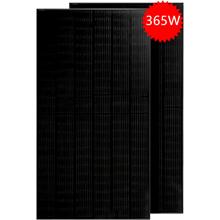
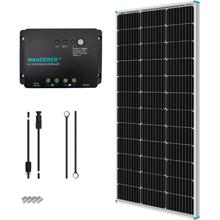
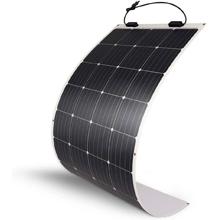
For most home growers, the most practical option is standard photovoltaic (PV) solar panels. These mount on a roof, a ground rack, or a nearby structure and generate electricity you can use to run greenhouse equipment.
Why PV panels work so well: They’re modular. You can start small and expand later. They also play nicely with all the typical greenhouse “power needs” like fans, controllers, small heaters, and even a compact heat pump—depending on your system size.
Where PV panels can fall short: Upfront cost can sting, especially if you add batteries. And production depends on sunlight. Short winter days, shade, and cloudy streaks reduce output. That’s why good siting matters—just like choosing the best greenhouse position for sun.
Still, solar hardware keeps improving, and prices have come down over time. For many greenhouse owners, it becomes one of the best long-term ways to offset energy use.
What Are the Benefits of Heating a Greenhouse with Solar?
The biggest upside is simple: you can reduce how much paid energy you burn to keep plants comfortable. If your greenhouse is insulated decently and you automate the system, solar can cover a meaningful slice of your yearly heating and power needs—especially for fans, controllers, and “maintenance heat” rather than extreme cold snaps.
How Much Money Can You Save? Savings depend on utility rates, how well your greenhouse holds heat, your local sun hours, and what you’d otherwise spend on propane, natural gas, or electric heaters. In many areas, rebates and tax incentives can also shorten the payback time.
Are Solar-Heated Greenhouses Cost-Effective in Colder Climates?
They can be—if you design for reality. In cold climates, solar works best as part of a “stacked” strategy: insulation + thermal mass + smart controls + a backup heater for brutal nights. Solar does a lot of the regular work, and your backup system covers the ugly stretches.
Note: A dependable backup greenhouse heating system is your safety net for long cloudy stretches, deep cold snaps, and night hours when solar output is zero.
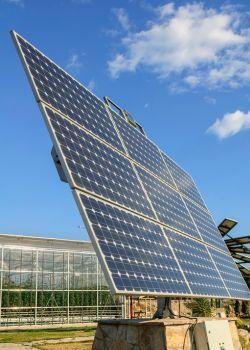
Plenty of growers use solar as “part of the puzzle” rather than the entire solution. That’s true for high-tech operations overseas and also for backyard growers in colder regions who mainly want season extension—spring and fall—without paying full price for heat.
Can You Use Solar-Heated Greenhouses for Year-Round Production? Yes—if you plan for insulation, thermal mass, ventilation, and (often) supplemental lighting. That combo can turn a greenhouse into a true four-season growing space.
What Types of Solar Heating Systems Work Best for Greenhouses?
There’s no single “best” system. The right choice depends on your greenhouse size, your climate, and how permanent the setup is. Here are three common approaches:
1. Solar Air Heaters
- Example: SolarWall by Conserval Engineering.
- Why people like it: Warms incoming air during sunny hours and can noticeably boost daytime temps without complicated plumbing.
- Limitations: It slows down on cloudy days and does nothing at night, so it’s usually paired with backup heat.
2. Radiant Floor Heating
- Example: Warmboard-R.
- Why people like it: Gentle, stable heat at the root zone. Great for serious growing and steady soil temps.
- Limitations: More involved install, and repairs can be harder once it’s under a slab.
3. Solar Water Heating Systems
- Example: SunEarth Empire SHW Series.
- Why people like it: Heats water you can store and circulate for more consistent warmth.
- Limitations: More parts (pumps, tanks, plumbing), higher complexity, and reduced output when it’s cloudy.
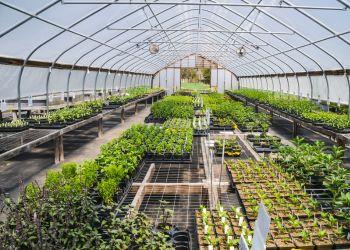
In general: small seasonal greenhouses often do fine with a simple approach (fans + small heater support). Larger permanent structures—especially a fully glazed polycarbonate hobby greenhouse—benefit from more stable systems like radiant heat or stored hot water.
Are There Government Incentives for Solar Greenhouse Installations?
Often, yes. Many solar projects qualify for similar incentives as residential solar—tax credits, rebates, and sometimes utility programs. Availability depends on where you live, so your best move is checking with local utilities, your state energy office, or an extension office.
What Challenges Come with Solar Greenhouse Heating?
The biggest limitation is obvious: solar production drops when you need heat the most—at night, during storms, and on short winter days. That’s why insulation, tight construction, thermal curtains, and thermal mass matter so much. Solar works best when your greenhouse doesn’t leak heat like a sieve.
Panel placement matters too. If your site is shady, you’ll struggle to get the output you’re expecting. Planning for solar is a lot like planning a greenhouse in the first place—you want strong exposure and smart positioning. (A south-facing layout usually wins.)
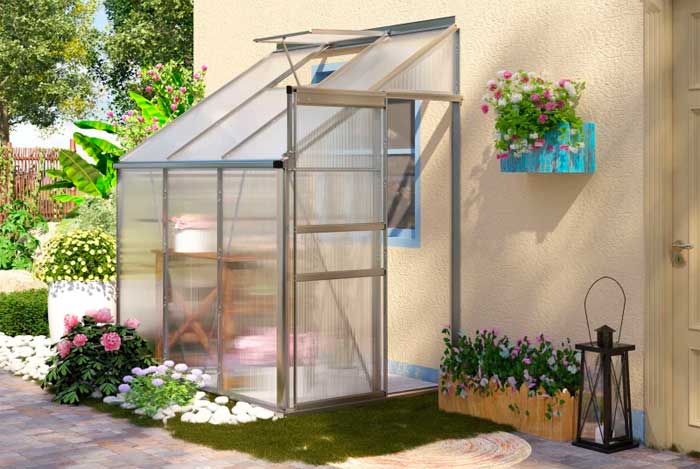
Note: Orientation matters. South-facing panel mounts catch the most winter sun. A lean-to greenhouse design on a south-facing wall can also act like a natural solar collector in a smaller footprint.
What Maintenance Do Solar Panels Require?
Solar panels are pretty low-maintenance. Keep them reasonably clean (dust and pollen can reduce output), and do quick visual checks after storms to make sure mounts and wiring look solid. Compared to fuel heaters and combustion systems, solar is refreshingly simple.
4 More Ways to Lower Greenhouse Costs (No Grid Needed)
Solar panels are a strong foundation, but you can stack other solar-friendly tools and passive strategies to reduce costs even more. Here are four practical add-ons:

1. Solar-powered ventilation: Install solar-driven exhaust and intake fans so airflow ramps up when the sun is strongest. It’s a simple upgrade that improves greenhouse ventilation without tapping household electricity.
2. Solar lighting support: Solar-charged LEDs (or a small PV setup feeding LEDs) can brighten darker corners and extend day length. LEDs sip power, so you don’t need a massive system to see benefits.
3. Smarter watering: Use solar-powered pumps to move water from rain barrels or storage tanks into a drip system. It pairs perfectly with a greenhouse irrigation system designed for efficiency.
4. Store energy for later: Batteries or a power station let you bank extra solar energy during the day and use it at night. If you want to go deeper on storage concepts, check Sunpack Power.
Frequently Asked Questions
Do solar panels heat a greenhouse at night?
Not by themselves. Panels don’t produce power at night. To run equipment after dark, you’d need batteries, a power station, or a backup heat source.
Can solar replace my greenhouse heater completely?
Sometimes for mild climates and seasonal growing, but most year-round setups still keep a backup heater for extreme cold and cloudy stretches.
What should I power first with solar?
Start with the “always helpful” items: ventilation fans, controllers, and monitoring. Those have a big impact on plant health and use far less power than full heating.
Is solar worth it for a small backyard greenhouse?
It can be—especially if you mainly want to offset fans, automation, and small heat support. For heavy winter heating, costs rise fast unless your greenhouse is very well insulated.
How long do solar panels last?
Many panels produce power for decades, though output slowly declines over time. The inverter (if used) often needs replacement sooner than the panels.
Conclusion
Solar panels can be a smart, long-term way to heat and power a greenhouse—especially when you combine them with good insulation, smart controls, and efficient ventilation. In most backyard setups, solar works best as a primary power source for automation and airflow, plus a helpful contributor to heating on sunny days. Add a solid backup heater for the rough patches, and you’ve got a greenhouse system that’s easier to manage and cheaper to run over time.


