
The price of adding a backyard greenhouse depends on several moving parts: overall size, frame and glazing materials, and how many “extras” (like heat, fans, or shelving) you add. For most home growers, a simple hobby structure will land somewhere between about $500 and $10,000 from start to finish. You can compare prices on greenhouse kits here to get real-world examples by size and style.

- What is the Price to Build
- How to Reduce Construction Expenses
- 10 Budget-Friendly DIY Options
- How to Get Financing
What is the Price to Build a Greenhouse?
When people ask, “How much does a greenhouse cost?”, the honest answer is: it depends. A simple 6′ x 4′ starter house might only set you back a few hundred dollars, while a larger, insulated structure with vents, fans and benches can climb into the several-thousand-dollar range.
Pre-fab kits make the math much easier because you see the total price up front. Popular models like the Palram Hybrid, Eagle Peak pre-fab greenhouses, and Outsunny hobby greenhouses typically range from about $400–$1,500, depending on size and features. You can see all kits here and compare footprints, materials and prices side-by-side.
Your total greenhouse investment is shaped by a handful of key factors. Here’s a closer look at what drives the price up or down:
Greenhouse Size:
Square footage is one of the biggest cost drivers. A compact footprint uses fewer panels, less framing, and a smaller foundation. For example, a 6′ x 4′ or 6′ x 8′ structure is often affordable for first-time growers, while stepping up to a 10′ x 12′ or larger frame can double or triple the total bill. If you’re unsure how big to go, start with this guide: What Size Greenhouse Should I Buy?
Materials:

Your frame and glazing choices also play a huge role. Common frame options include wood, galvanized steel, aluminum, or PVC. For glazing, glass and polycarbonate panels sit at the higher end of the price spectrum, while greenhouse film is more budget-friendly.
Metal framing and polycarbonate typically cost more at checkout but deliver better strength and insulation, which can save on heating over time. For a deeper comparison of frame and panel options, see The Best Greenhouse Materials.
Foundation:
A proper base isn’t glamorous, but it’s essential. You might go with compacted gravel and treated timber, concrete blocks, or a poured slab. A full concrete pad usually costs the most but offers an easy-to-clean, ultra-stable surface—especially helpful for larger structures or if you use carts inside.
Glazing:
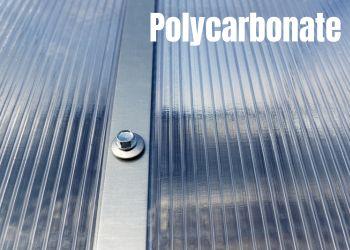
Glazing is what covers the frame—your walls and roof. Traditional greenhouse glass is attractive and durable, but often the priciest option. Multi-wall polycarbonate panels give you good insulation, diffuse light nicely and usually cost less than glass. Single-layer plastic film is the budget pick for hoop houses and seasonal grow tunnels.
Ventilation & Heating:
Healthy plants depend on good airflow and consistent temperatures. Some growers start with manual roof vents and a simple space heater; others invest in thermostatically controlled fans, louvers and heaters from day one. Learn more about dialing in your environment with ventilation tips and how to regulate greenhouse temperature. If you garden into cold weather, you may also want to explore heating systems for winter.
Shading & Cooling:
Warm climates may need tools to beat the heat. Shade cloth, interior blinds, and devices like evaporative coolers add to your upfront cost but help protect plants from scorching and sun stress during peak summer.
Greenhouse Accessories:
Benches, shelves, and automated watering systems don’t have to go in on day one, but most gardeners add them over time. These “extras” aren’t strictly required, but they make your greenhouse easier to use and more productive per square foot.
Labor to Build Your Greenhouse:
Doing the work yourself keeps costs down, especially if you’re reasonably handy. A pre-cut kit with clear instructions is often an ideal compromise between DIY savings and convenience. If you hire a contractor or handyman to build it for you, be sure to factor labor into your budget up front.
Location & Permits:
Your site choice can affect grading, foundation needs, and whether you must comply with local rules. Some areas require a permit even for small structures; others are more lenient. Before you commit, check out this overview: Do I Need a Permit to Build a Greenhouse?
Gardening Maintenance:
After the build comes ongoing upkeep: replacing film or seals, cleaning glazing, fixing hardware and keeping vents and doors working smoothly. It’s smart to set aside a small annual budget for this. See: How Much Does it Cost to Maintain a Planthouse?
Also see: Is it cheaper to buy a pre-made kit or build one from scratch? if you’re still weighing a DIY build versus an out-of-the-box greenhouse kit.
10 Ways to Reduce Greenhouse Construction Expenses:
Looking for ways to stretch your budget? Here are practical strategies to keep your project affordable without sacrificing the essentials.
1. Choose Affordable Frame Materials: PVC pipe, electrical conduit, and pressure-treated lumber are all budget-friendly options. They’re often easier to work with using basic tools, making them perfect for a first greenhouse build.
2. Shop for Salvaged Windows or Doors: Habitat ReStores, Craigslist and local salvage yards can be gold mines for old windows, glass doors, or panels. You can also convert an existing shed or carport into a greenhouse shell, cutting both framing and foundation costs.
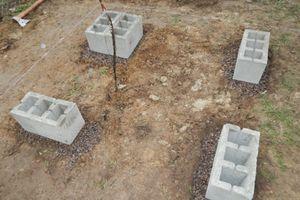
3. DIY the Foundation: Instead of pouring a full concrete slab, build a perimeter from treated lumber, cinder blocks, or compacted gravel. These options still provide strength and drainage but at a lower price.
4. Simplify the Design: Straight lines and simple shapes are always cheaper. A rectangular structure or basic hoop house uses fewer cuts, less hardware, and fewer specialty parts. Starting smaller also limits both materials and future heating costs.
5. Buy Materials on Sale or Off-Season: Watch for end-of-season markdowns on greenhouse film, pop-up kits, shade cloth and fans. Second-hand kits or frames can often be found locally for a fraction of their original cost.
6. Team Up with Neighbors: If you have gardening friends, you might share bulk orders of lumber, poly film, or hardware. Buying in larger quantities often unlocks better pricing from local suppliers.
7. DIY Ventilation Solutions: Instead of jumping straight to automatic openers and powered louvers, start with basic roof vents or hinged windows you can open manually. Later, you can upgrade to automated greenhouse ventilation when your budget allows.
8. Use Budget-Friendly Coverings: UV-stabilized greenhouse film is inexpensive and surprisingly effective. While it won’t last as long as polycarbonate, it’s a great way to get growing quickly without a big upfront investment.
9. Build Your Own Benches and Shelves: Simple cinder blocks with boards, or homemade wooden benches, are often sturdier and cheaper than store-bought shelving. You can also repurpose old tables or workbenches.
10. Skip Full-Time Heat—or Go Solar: In milder climates, you may not need a heater at all. If you do, consider passive solar techniques or explore how to heat your greenhouse with solar panels to reduce long-term energy costs while extending your growing season.
10 Budget-Friendly DIY Options:
Designing a low-cost greenhouse is all about choosing the right structure for your climate, skill level and budget. Here are DIY-friendly options that keep costs under control while still protecting your plants.

1. Hoop House or PVC Greenhouse:
Hoop houses are one of the cheapest ways to cover a lot of growing space. Flexible PVC or metal conduit forms the arches, and greenhouse film stretches over the frame. They’re perfect for extending your season in spring and fall, though they’re less permanent than a rigid-frame greenhouse.
2. Cold Frame:
A cold frame is essentially a low box with a clear lid, often built from scrap lumber and old windows. It’s a budget-friendly way to harden off seedlings, overwinter hardy greens, or start cool-season crops earlier than you could in open beds.
3. Utilizing Reclaimed Materials:
Old patio doors, salvaged lumber, leftover roofing metal—if you like creative projects, these can become your framing and glazing. Reclaimed builds typically demand more planning and labor, but they can dramatically lower material costs and give your greenhouse a unique, rustic look.
4. Mini Greenhouse Kits:
Mini greenhouse kits are ideal for patios, decks, or small backyards. Many come with shelves, a zipper door, and everything you need to assemble them with basic tools. They’re a great stepping stone if you’re not ready for a full-size structure yet.
5. Upcycled Structures:
If you already have a carport, pergola, or garden shed, you may be halfway to a greenhouse. By adding glazing panels, film, or polycarbonate to the sides and roof, you can transform an existing frame into a weather-protected growing space at a fraction of the cost of building new.
6. DIY Polycarbonate Greenhouse:
Polycarbonate is more of an investment than plastic film, but it pays you back with durability and insulation. A straightforward rectangular frame, covered in twin-wall or multi-wall panels, gives you a sturdy, long-lived greenhouse. For examples and sizing ideas, see this overview of a polycarbonate greenhouse kit.
7. Community or Co-op Covered Garden:
Teaming up with neighbors or a local garden group allows you to build a single, larger greenhouse and share the cost. This approach can make higher-end materials and features—like automated vents or better foundations—much more affordable per person.
8. Lean-To Nursery:
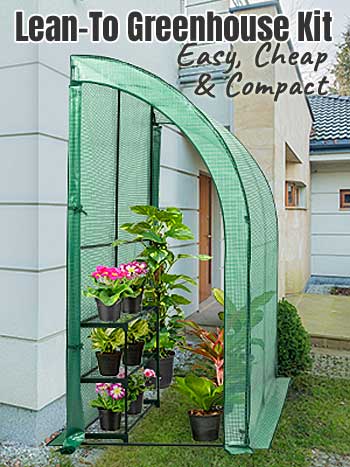
Lean-to greenhouses attach to an existing wall—often your house, garage, or a sturdy outbuilding. Because one side is already built, you save on framing and gain a bit of heat from the building, which can reduce operating costs in cooler months.
9. Build Your Own Greenhouse from Plans:
Plenty of greenhouse plans are available online—some free, others low cost. A good set of plans lays out the cut list, hardware, and frame design so you can shop materials efficiently and avoid expensive mistakes.
10. Seasonal Grow Houses:
If you mainly want spring starts and a little fall season extension, a temporary or “knock-down” greenhouse might be plenty. These can be set up when you need them and stored or covered with shade cloth in the off-season, which reduces long-term wear and heating expenses.
How to Find Financing Options or Grants:
If your dream greenhouse feels out of reach financially, there may be outside funding sources that can help you bridge the gap. Here are places to start looking:
1. Government Agricultural Programs: Many countries offer grants, tax credits, or low-interest loans to promote food production and sustainable growing. In the United States, the USDA has programs that may apply to small growers, homesteads, and community projects that include greenhouse structures.
2. Local Agriculture Extension Offices: Your county or regional extension service often knows about local funding, technical assistance, and cost-share programs. They can also help you plan a greenhouse that matches your climate and goals, so your investment pays off.
3. Nonprofit Organizations: Groups focused on urban agriculture, school gardens, and community food security sometimes sponsor greenhouse projects or offer small grants. Local garden clubs or horticultural societies can also be good networking hubs.
4. Online Grant Databases: Sites like Grants.gov and GrantWatch list active grant programs across multiple categories. Searching under agriculture, horticulture, education, or community development can surface opportunities that fit a greenhouse project.
5. Greenhouse Manufacturers and Suppliers: Some greenhouse brands offer payment plans, seasonal promotions, or rebates. It never hurts to ask whether they have financing options or special pricing on certain greenhouse kits or display models.
6. Crowdfunding and Community Fundraisers: Platforms like Kickstarter, Indiegogo, and GoFundMe can help raise money if your project benefits a school, neighborhood, or community group. Clear goals, photos, and a plan for how the greenhouse will be used make it easier to attract supporters.
Keep in mind that funding availability varies by region and project type. Whether you’re planning a small backyard structure or a larger community planthouse, taking time to research grants, discounts and shared-cost options can make your greenhouse much more affordable.


