
A small greenhouse can look perfect… and still underperform if watering is inconsistent. When moisture swings from “bone dry” to “swampy,” plants stall out, diseases show up, and you end up wasting time (and water) trying to fix it. A simple irrigation setup keeps the root zone steady, which is one of the quickest upgrades you can make—whether you’re working with a cold frame or one of the popular small greenhouse kits.
4 Ways You Can Water Your Plants:
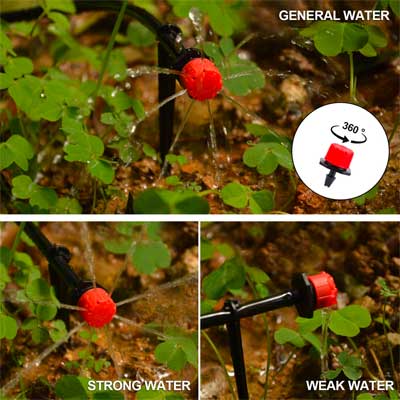
1. Drip Irrigation
If you want the “most results for the least drama,” start with drip irrigation. It feeds water slowly right where it matters—at the soil line—so you’re not splashing leaves, soaking walkways, or creating puddles that invite fungus. You can run one emitter for herbs and lettuce, and bump up to multiple emitters for heavy drinkers like cucumbers or tomatoes. It’s basically a custom watering plan for every pot or bed.
2. Soaker Hoses
Soaker hoses are the “keep it simple” option. Lay the hose through a bed, turn on the spigot, and it gently leaks water along its entire length. You don’t get plant-by-plant precision like drip, but for straight rows in a greenhouse bed, soakers do a nice job keeping moisture even without much setup.

3. Misting System
A misting system is less about watering soil and more about managing the air. It creates a fine fog that boosts humidity and cools the space—great for seedlings, cuttings, and tropical plants that hate dry greenhouse air. The catch: misting works best when you also have solid airflow. Pair it with good greenhouse ventilation so the whole space doesn’t turn into a mildew factory.
If you’re fighting heat, misting can also help you regulate greenhouse temperature by taking the edge off during hot afternoons—especially in smaller structures that warm up fast.
4. Watering Cans
Hand-watering still works—especially if you only have a few pots and you enjoy the daily “plant check.” It also helps when you’re dialing in brand-new transplants that need special attention. But once your greenhouse is full, a watering can becomes a time-eater. Cute for five plants. Not cute for forty.
Should I Set Up Automated or Manual Watering?
This really comes down to how predictable you want your results to be. Manual watering can work, but it depends on you showing up on time… every time. Automation keeps things steady even when life gets busy.

Automated Irrigation Systems:
Automation (timers, sensors, and basic controllers) is the easiest way to make your greenhouse “run itself” day-to-day. Once you set it up, your plants get the same care whether you’re home, busy, or out of town.
- More consistent growth: Regular moisture = fewer stress cycles and fewer issues with blossom drop, cracking fruit, or bitter greens.
- Less waste: Drip and timed watering deliver what plants use, not what evaporates.
- Huge time savings: Once it’s installed, watering disappears from your daily to-do list.
- Smarter timing: You can water early or late to reduce evaporation and keep foliage drier.
This is especially helpful if you’re running a tight winter setup where heat is already managed carefully, like a winter-heated greenhouse. Consistency matters more when conditions are controlled.
Manual Watering
Manual watering is great when your greenhouse is tiny or you genuinely enjoy the hands-on routine. You also spot problems faster because you’re right there with your plants.
- Instant adjustments: You can skip a pot that’s still damp or soak one that’s clearly thirsty.
- Low setup cost: Fewer parts, no programming, no plumbing.
- Good for “special cases”: New seedlings, hanging baskets, and finicky plants often do better with occasional hand-watering anyway.
The best real-life approach is usually hybrid. Put your main beds on drip or soakers with a timer, then hand-water the oddballs as needed.
How Much Does it Cost to Install an Irrigation System?
Costs vary a lot, but the pattern is simple: the more control and automation you want, the more parts you’ll buy upfront. The payoff is less waste, fewer lost plants, and less daily labor.
Upfront Costs: What You’re Paying For
- System type: Drip kits with emitters, filters, and pressure regulators usually cost more than soaker hoses.
- Greenhouse size: More benches and containers mean more tubing, fittings, and (sometimes) multiple zones.
- Automation level: Timers and moisture sensors add cost, but they’re usually the “quality of life” upgrade that makes the system worth it.
- Durability: Better components leak less, clog less, and last longer. That same “spend once” logic you’d use when planning backyard greenhouse cost applies here too.
Why It Often Pays Off
- Protects plant value: If you’re growing produce, starts, or plants you’d hate to replace, steady watering is cheap insurance.
- Saves time: Over a season, automation can save hours—especially if you’re juggling more than one growing area.
- Uses less water: Targeted watering is more efficient, which matters in dry regions and tiered water-rate areas.
- Boosts yields: Less stress = faster growth and more harvests.
Can You Use Rainwater in Your Small Greenhouse?
Yes—and it’s one of the nicest upgrades you can make. Rainwater is typically “softer” than tap water and doesn’t leave the same mineral crust on soil and pots. It’s also free, which never hurts.
Rainwater Harvesting (Simple Setup)
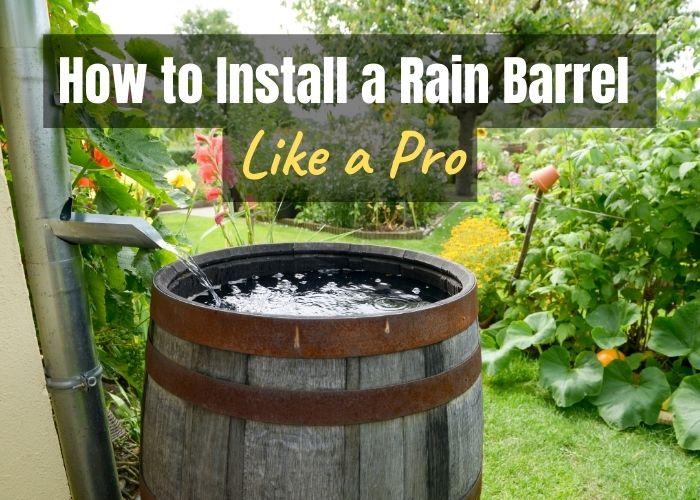
- Collect it: Add gutters to your greenhouse roof (or a nearby shed) and send water into a rain barrel or tank.
- Feed your irrigation: Gravity works for simple systems; a small pump works for drip zones.
- Keep it clean: Use screens/filters and clean the barrel occasionally to avoid algae, sediment, and mosquitoes.
Are There Energy-Efficient Options for Greenhouse Watering Systems?
Definitely. If you’re trying to keep things low-cost or off-grid, watering is one of the easiest systems to “solar-ize.”
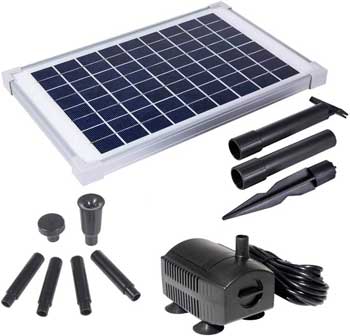
1. Solar-Powered Pumps
- What they do: Solar water pumps push water from a barrel or tank into your drip or soaker system.
- Why they’re handy: They use sunlight for power, making them a natural match if you already use solar in your greenhouse setup.

2. Timers and Controllers That Sip Power
- How they help: Irrigation timers keep schedules consistent and usually use very little electricity.
- Best use: Run short cycles at smart times (early morning or evening) so plants absorb more and you lose less to evaporation.
3. Water Smarter, Not Longer
- Schedule better: Water early/late, mulch beds, and use low-flow drip lines so the system runs less.
- Pair with efficiency upgrades: Cutting heat loss and watering waste works especially well alongside low-cost winter heating strategies.
Frequently Asked Questions
What’s the best watering system for a small greenhouse?
For most people: drip irrigation on a timer. It’s efficient, clean, and easy to expand as you add more plants.
Do I need a filter for drip irrigation?
Usually yes—especially if you’re using well water or rainwater. A simple filter prevents clogs and keeps emitters flowing evenly.
Is misting a replacement for watering soil?
Not really. Misting mainly changes humidity and air temperature. It’s great for seedlings and cuttings, but most plants still need root-zone watering.
Can I run drip irrigation from a rain barrel?
Yes. Gravity can work for very small setups, but most drip systems are happier with a small pump for consistent pressure.
How often should I water in a greenhouse?
It depends on season, container size, and crop. Start by checking soil moisture daily, then use a timer to match what your plants actually use.
Conclusion
If you want healthier plants with less effort, get your watering under control first. Drip irrigation is usually the best all-around choice for small greenhouses, soaker hoses keep things simple for beds, misting is great for humidity-loving plants, and hand-watering works best as a backup (or for tiny setups). Add a timer, consider rainwater, and you’ll spend less time “watering everything” and more time actually enjoying your greenhouse.


