

When you’re greenhouse shopping, color looks like a “style choice”… until you realize it changes how your greenhouse behaves. It’s easy to assume green must be best because plants are green. Or maybe white feels crisp and modern, so it must be the winner. The truth is simpler: the best greenhouse cover color depends on your climate, how intense your sun is, and whether you want more warmth, more diffusion, or more light transmission.
Green and white covers handle sunlight differently. Green film tends to absorb more energy and feel warmer, while white film reflects more and can keep temps steadier in the heat. And if you’re still comparing overall designs, it helps to look at cover color alongside different greenhouse kits and frame styles so everything works together.
Green Greenhouse Cover
Why gardeners like it:
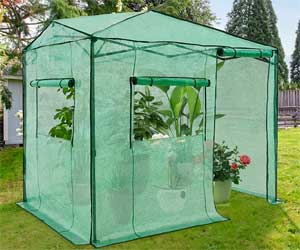
- Feels warmer in cool weather: Green film usually absorbs more solar energy than white. That can translate into a cozier interior—handy in spring and fall when you’re trying to push the season.
- Blends into the yard: If you don’t want your greenhouse to scream “BIG PLASTIC TENT,” green is the stealth option. It tends to visually disappear against lawns, shrubs, and trees.
- Often holds warmth longer at night: Many green-covered portable greenhouses stay a touch warmer after sunset, especially when you use smart temperature control techniques (like venting at the right times and adding thermal mass).
Where it can fall short:
- Less light transmission: Any tint can reduce the amount of direct light hitting your plants. If you’re growing light-hungry crops (tomatoes, peppers, citrus) and your yard is already partly shaded, green film can slow growth compared to clear panels.
- Overheating risk in hot climates: Because it holds more heat, green film can run too hot in full sun without strong ventilation and air circulation. In summer, you’ll want roll-up sides, vents, or fans to keep plants from stress-cooking.
White Greenhouse Cover
Why gardeners like it:
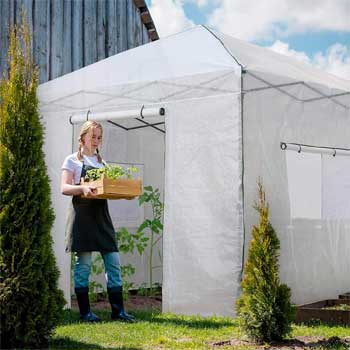
- More diffused, even light: White material scatters sunlight instead of letting in harsh beams. That often means fewer “hot spots,” fewer scorched leaves, and more consistent light from end to end.
- Runs cooler in strong sun: In warm regions, white greenhouse covers can help reflect excess heat. Pair it with vents or a fan and it’s often easier to keep the interior comfortable.
- Easy to monitor: White stands out, which some gardeners love. You can spot storm damage, sagging film, or a door left open from the house.
Where it can fall short:
- It’s not subtle: White can visually compete with your landscaping. If you want a low-profile backyard greenhouse (or you’re dealing with neighbors/HOA preferences), this may matter.
- Less free winter warmth: That reflective quality that helps in July can reduce passive heating in winter. In colder zones, you may need more supplemental heat to reach the same temps you’d get under green film.
So… Which One Should You Choose?
If you’re in a cooler climate or mainly growing in spring/fall, green film can give you that little extra warmth that keeps seedlings happier. If you live somewhere with intense summer sun, white is often easier to manage because it helps prevent temperature spikes. Either way, you’ll get the best results when you also site the structure for maximum sun exposure and plan ventilation early.
How Do Clear Greenhouses Compare?
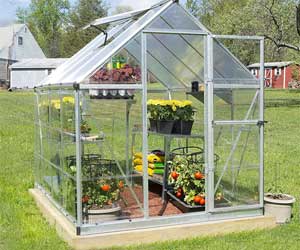
Clear greenhouses are the “maximum sunlight” option. Instead of tinting or heavily diffusing light, clear glass or polycarbonate focuses on high light transmission—one reason clear panel houses are popular for hobby growing and many year-round greenhouse setups.
Benefits of clear panels:
- High light levels: Great for seedlings, fruiting crops, and ornamentals that want bright conditions.
- Fewer dark corners: Clear roofs and walls tend to keep the whole interior brighter.
- Classic greenhouse look: You can enjoy the “jewel box” vibe—seeing your plants from the patio is half the fun.
- Pairs well with modern frames: Clear glazing looks sharp with aluminum and other modern greenhouse materials.
Downsides of clear panels:
- Heat builds fast: Clear structures can overheat quickly in summer. You’ll want ventilation, shade cloth, and other cooling strategies.
- No privacy: Everything is visible—plants, storage, tools, and all the “real life” greenhouse clutter.
- More cleaning: Moisture + lots of light can encourage algae and film buildup, so keeping panels clean matters for light levels.
Frequently Asked Questions
Is green or white better for growing vegetables?
If your veggie crops need maximum light (tomatoes, peppers), clear panels often win. Between green and white film, pick green for cooler climates and white for hot, sunny climates.
Will a green greenhouse shade my plants too much?
It can, especially in a partially shaded yard. If your greenhouse doesn’t get strong sun most of the day, lean toward clear panels or a lighter/whiter cover.
Does white film reduce heat enough to skip ventilation?
No—vents still matter. White helps moderate heat, but a greenhouse can still overheat quickly on sunny days without airflow.
What’s the best color for a year-round greenhouse?
Many year-round growers prefer clear polycarbonate for strong winter light, paired with ventilation + shading for summer control. Use temperature regulation strategies to handle the seasonal swings.
Which cover color lasts longer?
Longevity depends more on material quality (UV-stabilized film, panel thickness, frame strength) than color alone. Higher-quality covers typically outlast bargain film regardless of tint.
Conclusion
Green, white, and clear covers can all work—you just want the one that matches your weather and your growing goals. Green tends to feel warmer and more low-profile. White helps diffuse light and keep temperatures steadier in harsh sun. Clear polycarbonate delivers the most light, but it also demands good ventilation and a little more cleaning. Match the cover to your climate, and your greenhouse will feel easier to manage all season.


