
If you want a greenhouse that actually performs (instead of feeling dim and cold), placement is everything. In most yards, the sweet spot is a location with an open view to the south so your plants get solid morning light, strong midday sun, and that nice late-day warmth. Try to avoid anything that throws long shadows—big trees, fences, your house, or the neighbor’s shed. And if your site is a little less than perfect, you can still “cheat” more light into the space with reflective surfaces and smart add-ons.

Greenhouse Placement to Get the Most Sun
1. Face the Greenhouse Toward the South
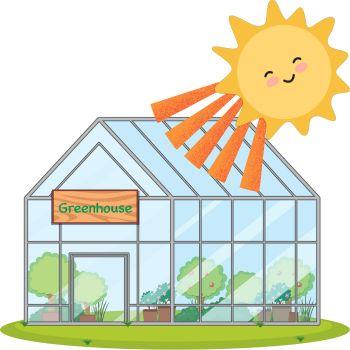
For most backyard setups in the Northern Hemisphere, “south-facing” is the easiest win you can get. When the long side of your greenhouse faces south, it catches more usable light throughout the day—especially in winter when the sun rides low. That’s a big deal if you’re trying to grow beyond summer and move toward a year-round greenhouse setup.
More light also means more free warmth. On sunny winter days, good orientation can noticeably reduce how hard your backup heater has to work. (And if you’re still planning your cold-season strategy, these winter greenhouse heating methods can help you build a realistic plan.)
Quick way to picture it: a south-facing greenhouse gives plants a longer “sun window,” which usually translates to sturdier seedlings, better growth, and less stretching toward the light.
2. Keep Shade from Quietly Ruining a Great Spot
Shade traps are sneaky. You can pick a south-facing location and still lose a lot of sun to shadows—especially in winter. That’s when the sun angle is low and even a modest fence or tree line can cast a surprisingly long shadow.
Before you commit to a location, stand in the proposed spot in the morning, midday, and late afternoon (or at least visualize it). If you can, do this during the cooler months too, because that’s when you’ll care most about maximizing light and heat.
- Trim problem branches: If a few limbs are shading the roof or glazing, selective pruning can open up a lot more sky than you’d expect. The goal isn’t to strip a tree—just remove the “shadow makers.”
- Shift the footprint if you need to: Sometimes moving the greenhouse a few feet changes everything. If you’re still deciding on a structure, a smaller freestanding model or a compact lean-to greenhouse kit gives you more flexibility to claim the brightest slice of the yard.
3. How to Get More Light in a Shady Yard
Not everyone has a wide-open, full-sun backyard—especially in neighborhoods with mature trees or smaller lots. The good news is you can still grow a lot, as long as you plan around the shade instead of fighting it.
1) Consider a greenhouse you can reposition
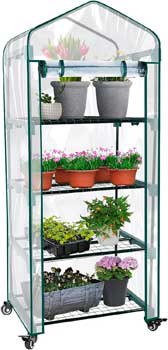
If your yard has “sun pockets” that shift with the seasons, a greenhouse on a wheeled base or movable foundation can be a game changer. You can roll it into better light in winter, then tuck it into a slightly more protected spot in summer. This approach also pairs well with lighter structures like pop-up greenhouse styles that are meant to be flexible.
2) Add affordable supplemental lighting
If the sun simply isn’t enough for certain crops (especially fruiting plants or winter greens), a little extra light can bridge the gap without turning your greenhouse into a power-hungry project.
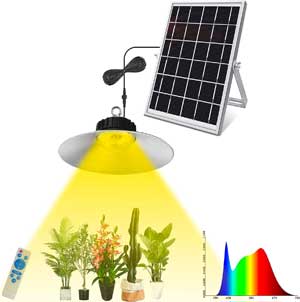
- LED grow lights: Modern LED grow lights are efficient and bright, which makes them ideal for seed-starting benches and “shadow zones” inside the greenhouse.
- Reflective surfaces: Bright walls and reflective film help bounce light deeper into the space so the back rows and lower shelves aren’t living in permanent gloom. This is especially effective in polycarbonate greenhouse kits because the panels already diffuse light nicely.
- Solar-powered grow lights: If you don’t want to run new wiring, solar-powered grow lights can extend the day on gloomy stretches or in late afternoon.
When you combine smart placement, good orientation, and a few light-boosting tricks, you can grow surprisingly well—even in a yard that isn’t perfect. Whether you’re working with a compact side yard or planning a bigger backyard greenhouse build, dialing in sun exposure early pays off with stronger plants, better yields, and fewer “why are my seedlings leggy?” moments.
Frequently Asked Questions
What’s the best direction to face a greenhouse?
In most U.S. backyards, south-facing exposure gives the most consistent sun, especially in winter.
How many hours of sun does a greenhouse need?
For leafy greens and seedlings, 4–6 good hours can work. For fruiting plants like tomatoes and peppers, closer to 6–8 hours is usually better.
Is morning sun or afternoon sun better?
Morning sun is great because it warms the greenhouse early and dries condensation faster. Afternoon sun can be intense in summer, so you may need ventilation and shading.
Can I put a greenhouse under trees?
It’s possible, but you’ll likely struggle with low light—especially in winter. If trees are unavoidable, use reflective surfaces and consider supplemental lighting for best results.
Do polycarbonate panels reduce light too much?
They diffuse light rather than blocking it. Diffusion is often helpful because it reduces harsh hotspots and spreads light more evenly over plants.
Conclusion
The easiest way to improve greenhouse performance is to put it in the right place from the start. Aim for an open southern exposure, watch for winter shadow lines, and use reflective surfaces or efficient lights if shade is unavoidable. Get the sun angle right now, and everything else—temperature, growth, and yields—gets easier for the rest of the season.


