
Greenhouse pest control doesn’t have to mean nuking everything with harsh sprays. Most of the time, the best results come from Integrated Pest Management (IPM): a practical, step-by-step system that prevents problems, catches issues early, and uses the gentlest tool that actually works. It’s just as effective in a small backyard setup as it is in larger backyard greenhouse kits.

Here’s the core idea: if you scout regularly, keep your space clean, manage humidity, and introduce the right beneficials at the right time, you can dramatically lower pest and disease pressure—often without reaching for conventional chemical pesticides. That’s IPM in real life.
- Common Pests & Diseases in Greenhouses
- Biological Control for Plant Diseases
- How to Prevent Disease Spreading Between Plants
- Avoid Soil Exhaustion & Diseases in Greenhouse Crops
What Pests & Diseases Affect Plants in a Greenhouse?
Even though your plants are “under cover,” pests and diseases still find a way in—on new plants, on your clothes, through vents, and sometimes just because greenhouse conditions are perfect for them. Warmth + humidity + tightly spaced plants is basically an open invitation, especially in a small hobby greenhouse. The good news: if you know what to watch for, you can usually stop issues early.
Common Pests in Greenhouses:
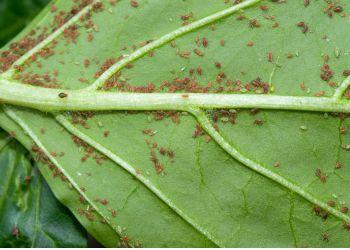
- Aphids: Little sap-suckers that gather on tender new growth. You’ll notice curling leaves, weak tips, and sticky honeydew that can lead to sooty mold.
- Whiteflies: Tiny white insects that “puff up” when you bump a plant. They reduce vigor fast and can help spread viruses.
- Spider Mites: Nearly invisible at first. Look for fine webbing and tiny speckles on leaves. If it gets bad, foliage bronzes and dries out.
- Thrips: Quick, slender insects that scrape tissue and leave silvery streaks and distorted flowers—plus they can transmit viruses.
- Mealybugs: White, cottony clusters tucked into leaf joints and stem creases. They drain plants slowly but steadily.
- Scale Insects: Hard (or soft) bumps on stems and leaves. They look harmless, but they quietly siphon sap and weaken plants over time.
- Fungus Gnats: The adults are annoying little flyers, but the larvae can chew young roots and slow seedlings.
- Caterpillars: If you’re seeing big holes or “skeletonized” leaves, caterpillars may be the culprit.
Common Plant Diseases:

- Powdery Mildew: White, dusty patches on leaves and stems. Leaves often yellow and drop if it spreads.
- Downy Mildew: Pale spots on top of leaves and fuzzy gray/purple growth underneath—often in cool, humid conditions.
- Botrytis (Gray Mold): Soft brown spots with fuzzy gray mold, especially on flowers or damaged tissue.
- Fusarium Wilt: Soil-borne disease that blocks water movement, causing yellowing, wilting, and collapse.
- Verticillium Wilt: Similar to fusarium—wilting despite watering, older leaf yellowing, and slow decline.
- Root Rot: Brown, mushy, smelly roots and a plant that looks thirsty even when soil is wet.
- Leaf Spot: Brown/black/tan spots that may have halos. Often worsens with wet foliage and poor airflow.
- Pythium (Damping-Off): Seedlings flop at the soil line or fail to emerge—classic “it was fine yesterday” problem.
- Rust: Rust-colored bumps (pustules) on leaf undersides that spread rapidly in humid air.
- Viral Diseases: Mottled/mosaic leaves, twisted growth, poor yields—often spread by aphids/whiteflies/thrips.
Biological Greenhouse Pest Control for Plant Diseases:
Once you ID the problem, you can match it with the right “helpers.” Beneficial insects and microbes are perfect for greenhouse IPM because they target specific pests/pathogens without trashing your whole growing environment—especially in a tightly enclosed polycarbonate greenhouse.
Common options include beneficial nematodes, predatory mites, beneficial bacteria, and natural essential oils. The trick is using them early—when pest numbers are low—rather than after plants are already heavily damaged.
| Pest or Disease | Biological Control Agents |
|---|---|
| Aphids | Ladybugs (Ladybird Beetles), Aphidius wasps, Lacewings, Predatory midges |
| Whiteflies | Encarsia formosa (parasitoid wasp), Eretmocerus eremicus (parasitoid wasp), Predatory beetles |
| Spider Mites | Phytoseiulus persimilis (predatory mite), Neoseiulus californicus (predatory mite), Amblyseius andersoni (predatory mite) |
| Thrips | Orius insidiosus (minute pirate bug), Amblyseius cucumeris (predatory mite), Predatory bugs |
| Mealybugs | Cryptolaemus montrouzieri (mealybug destroyer), Leptomastix dactylopii (parasitoid wasp), Predatory beetles |
| Scale Insects | Chilocorus stigma (ladybug), Rodolia cardinalis (ladybug), Parasitoid wasps |
| Fungus Gnats | Hypoaspis miles (predatory mite), Steinernema feltiae (beneficial nematode), Predatory beetles |
| Caterpillars | Bacillus thuringiensis (Bt), Trichogramma wasps, Predatory insects |
| Powdery Mildew | Ampelomyces quisqualis (fungus), Beneficial fungi |
| Downy Mildew | Streptomyces lydicus (bacterium), Beneficial bacteria |
| Fusarium Wilt | Trichoderma harzianum (fungus), Beneficial fungi |
| Verticillium Wilt | Trichoderma atroviride (fungus), Beneficial fungi |
| Leaf Spot | Bacillus subtilis (bacterium), Beneficial bacteria |
| Root Rot | Trichoderma spp. (fungus), Beneficial fungi |
| Pythium | Trichoderma spp. (fungus), Beneficial fungi |
| Rust | Puccinia spp. (fungus), Beneficial fungi |
| Gray Mold (Botrytis) | Trichoderma spp. (fungus), Bacillus amyloliquefaciens (bacterium), Beneficial fungi and bacteria |
Quick tips that make biological control work better: buy from reputable sources, store/release exactly as directed, and don’t release “good guys” into a greenhouse that’s too hot, too cold, or too dry for them to function.
Also, keep conditions stable so beneficials can do their job. That means dialing in greenhouse temperature and humidity, using sticky cards, and checking the undersides of leaves weekly. IPM isn’t “set it and forget it”—it’s “observe, adjust, repeat.”
How Do I Prevent Disease Spreading Between Plants in a Greenhouse?
Stopping disease spread is mostly about a few small habits that you do consistently. Think of this as your greenhouse “hygiene routine.” It protects everything from seed trays to full-size tomatoes.
1. Quarantine new plants: Every new plant gets its own little “time-out.” Keep it separate for a bit and watch for spots, pests, and weird growth before it joins the main crew.

2. Sanitize the “touch points”: Benches, trays, pots, snips, knives—anything that touches plants can move problems around. A simple cleaning routine cuts the odds of spreading spores and bacteria.
3. Prune with purpose: If you spot diseased tissue, remove it right away. Bag it as you go (don’t drop it on the floor). And sterilize pruners between cuts so you’re not accidentally “painting” disease from plant to plant.
4. Water like you mean it: Wet leaves + soggy soil = fungus party. Water at the base, preferably in the morning, and let surfaces dry between watering. A good greenhouse irrigation system makes this easier and more consistent.

5. Keep air moving: Most greenhouse diseases love stale, humid air. Vents and fans are a huge defense layer. If you’re not sure what to add first, start here: greenhouse ventilation setup.
6. Stop overcrowding: When leaves touch, pests and pathogens basically have a bridge. Give plants room so air can circulate and foliage dries faster.
7. Control the insect “carriers”: Aphids, whiteflies, and thrips don’t just damage plants—they can spread viruses. Look under leaves, check new growth, and don’t ignore “just a few.”
8. Start with clean growing media: High-quality potting mix helps avoid root and seedling problems. If you’re reusing soil, refresh or treat it first. You can also sterilize soil to knock back pathogens before planting.
How to Avoid Soil Exhaustion & Diseases in Greenhouse Crops:
If you grow in beds or reuse containers season after season, soil management becomes a big part of pest and disease prevention. Here’s a simple rotation-and-reset approach that keeps greenhouse soil healthier long-term.
Step 1. Treat your greenhouse layout like a rotation plan. Don’t plant the same crops in the same spots year after year.
Step 2. Use a rough “three-year rule.” Avoid growing the same crop—or close relatives—in the same soil more than three years in a row.
Step 3. Rotate by plant family, not just by name. Tomatoes, peppers, and eggplants share many soil-borne issues, so rotating those three among themselves doesn’t really “rotate.” Mix in unrelated families like leafy greens or herbs.
Step 4. Use cover crops/green manures when beds are empty. They protect soil, build organic matter, and support a healthier soil biology.
Step 5. Group plants by similar needs (light, water, temperature), but still leave breathing room so humidity doesn’t spike in tight corners.

Step 6. Keep pathways clear. If you’re brushing up against wet leaves as you walk through, you’re accidentally moving spores around.
Step 7. Maintain steady airflow and reasonable humidity. Solid ventilation helps leaves dry faster and makes mildew, rust, and botrytis work a lot harder.
Step 8. “Reset” between crop cycles. Remove debris, scrub benches, and disinfect tools before the next round of planting.
Step 9. Reduce plant stress by keeping conditions consistent. Better greenhouse temperature control means stronger plants—and stronger plants resist pests and disease far better.
Step 10. Scout like it’s your job. A weekly walkthrough with a quick leaf check (especially undersides) is the most powerful IPM tool you have.
When you combine sanitation, airflow, crop rotation, and biological controls, you’re basically running a balanced little ecosystem instead of a constant firefight. And once it’s humming, greenhouse growing gets a whole lot easier.
Frequently Asked Questions
1. What’s the fastest way to catch greenhouse pests early?
Do a quick weekly “leaf flip” (check undersides) and use sticky traps. Most outbreaks give you early warning if you’re looking.
2. When should I release beneficial insects?
Early—at the first sign of pests, or even preventatively if you’ve had recurring issues. Beneficials work best when pest numbers are still low.
3. Why do I keep getting mildew even when I’m careful?
Usually it’s airflow + humidity. Add ventilation, reduce overcrowding, and avoid watering late in the day so foliage can dry out.
4. Can I use biological controls and still use sprays?
Sometimes, but be careful—many sprays harm beneficials. If you must spray, choose the least disruptive option and time it so it doesn’t wipe out your “good guys.”
5. Should I reuse potting soil in a greenhouse?
You can, but it’s riskier. Refresh it with compost/inputs as appropriate, and consider treatment/sterilization if you’ve had disease issues.
Conclusion
Greenhouse pest control works best when you don’t wait for a crisis. Scout often, keep the space clean, manage humidity with good ventilation, and bring in biological controls early. Add crop rotation and soil care (when applicable), and you’ll see fewer outbreaks, healthier plants, and way less frustration—season after season.


