
Yes—your greenhouse can be a true year-round growing space. With the right insulation, smart ventilation, and a reliable heat plan, you can keep plants happy through cold snaps and keep harvesting even when the garden outside is done for the season.
Can a Greenhouse Kit Handle Snow & Wind?
If you’re wondering whether a hobby greenhouse kit can stand up to real weather, you’re thinking about the right things. Snow load, wind gusts, and freezing temps all come down to two big buckets: materials and design. Here’s how to evaluate both without overcomplicating it.
1. Greenhouse Materials
A. Frame Material
- Aluminum: Many well-made greenhouse kits use aluminum frames because they’re lightweight, don’t rust, and handle moisture swings well. For most backyards, aluminum is the “sweet spot” of durability and price.
- Galvanized Steel: If you live where storms get serious, galvanized steel can be a strong upgrade. It’s sturdy and corrosion-resistant, which helps in harsh climates and windy sites.
B. Glazing Material
- Polycarbonate Panels: A favorite for year-round use. Twin-wall or multi-wall polycarbonate adds insulation, which helps hold warmth and smooth out temperature dips at night.
- Glass: Tempered or double-pane glass can perform beautifully, but it’s heavier and can be more vulnerable to breakage if debris hits during storms. It also usually bumps the budget up.
C. Fasteners and Hardware
Don’t ignore the “small stuff.” Quality screws, brackets, and hardware matter in wet, freezing conditions. You want components that won’t rust out or loosen as the greenhouse expands and contracts with temperature changes.
Design Features That Help in Cold Weather
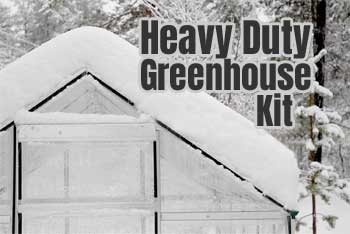
Roof pitch: A steeper roof pitch sheds snow faster. In snowy areas, that matters because roof buildup isn’t just annoying—it’s weight your frame has to carry. Many gardeners aim for a steeper pitch when possible, and 30 degrees is often mentioned as a practical minimum in snow country.
Snow load rating: If the kit lists a snow load rating, use it. Match it to what your region typically sees (and be honest about those “once every few years” storms).
Wind resistance: Look for bracing, crossbars, and structural reinforcement that keeps the frame from racking in gusts. Just as important: anchor the greenhouse properly so it can’t lift or shift.
Insulation: If year-round growing is the goal, insulation is non-negotiable. Multi-layer polycarbonate is a big helper here, which is why so many gardeners lean toward a pre-fab greenhouse kit with multiwall panels.

Ventilation & temperature control: Winter greenhouses still overheat on sunny days. A vent at the roofline is a lifesaver, especially adjustable roof vents that let you fine-tune airflow.
Heating options: Make sure you have a realistic plan—electric, propane, or another approach that fits your greenhouse size and your climate. The best heater in the world won’t help if drafts are pouring in through unsealed gaps.
Foundation: A stable, anchored base helps prevent shifting from frost heave and keeps doors and panels aligned.
Sealants & weatherstripping: This is the low-cost upgrade that pays off fast. Seal joints, tighten gaps, and use weatherstripping around doors and vents to reduce heat loss.
Site selection: Pick a spot with as much winter sun as possible and some wind protection if you can get it.
How Do I Winterize My Greenhouse?
Winterizing is mostly about preventing little problems from becoming big ones. When your greenhouse is sealed, clean, and monitored, your plants stay healthier—and you won’t be scrambling during the first cold storm.
1. Clean and Reset the Space
Clear out dead plants, fallen leaves, old pots, and weeds. Wipe down surfaces if you can. A clean greenhouse is easier to heat, easier to manage, and less likely to turn into a pest hotel.
Note: Stock a few “winter backups” now: spare fasteners, extra glazing tape, a roll of weatherstripping, and replacement parts for heaters or vents.
2. Inspect for Leaks and Weak Points
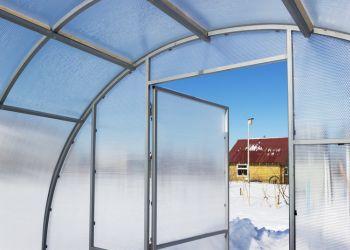
Walk the structure and look for cracked panels, loose screws, gaps at seams, or a door that doesn’t shut tight. Fixing small issues now helps you hold heat later—plus it keeps wind from working the frame loose.
Note: Double-check anchoring. If high winds are common where you live, this is one of the most important safety steps you can take.
3. Add Insulation Where It Makes Sense
You don’t have to turn your greenhouse into a bunker, but a few insulation moves can make a noticeable difference:
- Add bubble wrap or thermal film to glazing (leaving vents operable).
- Apply weatherstripping around doors and vent frames.
- If you’re building or upgrading, choose double-wall polycarbonate when possible.
Note: On the coldest nights, frost blankets and row covers inside the greenhouse can protect tender plants and reduce how hard your heater has to work.
4. Heating & Ventilation (Yes, You Need Both)
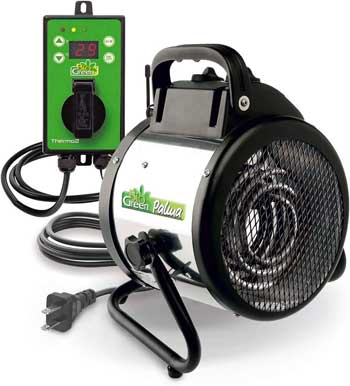
If you’re heating the greenhouse, you also need controlled airflow. A popular simple option is a small electric heater paired with vents or louvers so humidity doesn’t build up.
Even in winter, sunny days can spike temperatures fast. Use roof vents, side vents, or automatic openers to keep conditions stable. This also helps prevent mold and mildew, which love stale, damp air.
Note: If winter sun is intense where you live, keep shade cloth handy. It’s a simple way to prevent leaf scorch and overheating on bright days.
5. Water Management
Plants usually drink less in winter, so overwatering becomes a common mistake. Water earlier in the day when possible, keep drainage clear, and don’t let trays sit in standing water.
6. Grow Cold-Hardy Crops When You Can
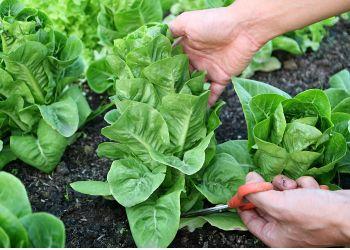
Cold-hardy plants make year-round greenhouse gardening easier (and cheaper). Think winter greens, sturdy herbs, and ornamentals that tolerate cooler nights without constant heat.
If you want less guesswork, a greenhouse monitoring system can be a huge help. Tracking temperature and humidity—and getting alerts—lets you respond quickly without constantly checking in person.
7. Snow & Ice Removal
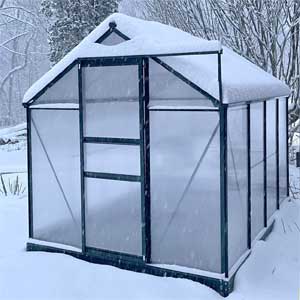
Snow load is one of the fastest ways to damage a greenhouse. Don’t let it pile up. Even “light” snow gets heavy when it stacks and freezes.
The safest approach is simple: use a soft broom or a long-handled snow tool and gently sweep the roof. Avoid sharp tools and aggressive scraping—those can scratch polycarbonate or stress panels.
If you’re still shopping, this is where roof pitch pays off. A steeper roof helps snow slide off naturally, so you’re not fighting constant buildup after every storm.
Note: In areas with severe winter weather, a backup power source can keep heaters and ventilation running during outages.
Do I Need Supplemental Light in Winter?
Sometimes yes—sometimes no. Whether you need grow lights depends on your winter daylight, what you’re growing, and how “fast” you want plants to perform. Start by looking at the natural light you actually get in winter, not what you get in July.
1. Location and Winter Daylight
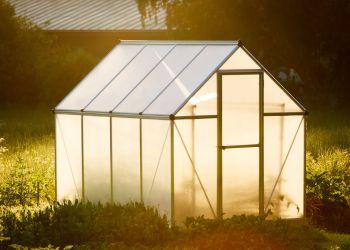
In winter, days are shorter and the sun sits lower, especially in northern regions. If you notice leggy seedlings, slow growth, or plants leaning hard toward the brightest side, you’re probably light-limited.
If natural light stays consistently low, supplemental lighting can help you keep growth steady instead of stalled.
2. Plant Types and Your Goals
Some crops tolerate low light better than others. If you’re growing cold-season crops like winter vegetables, you might get by with minimal extra lighting. But for seedlings, fruiting plants, or flowering ornamentals, grow lights can make winter feel a lot more like spring.
3. Greenhouse Design and Glazing Choices
Orientation matters: south-facing exposure in the northern hemisphere usually captures the most winter sun. Your glazing matters too. Polycarbonate diffuses light and insulates well; glass is clearer and can be more insulating when double-paned. Add reflective surfaces and thermal mass (like water barrels) and you’ll smooth out temperature swings.
And don’t forget airflow—fresh air helps manage humidity and supports photosynthesis by keeping CO2 available.
4. Types of Supplemental Lighting
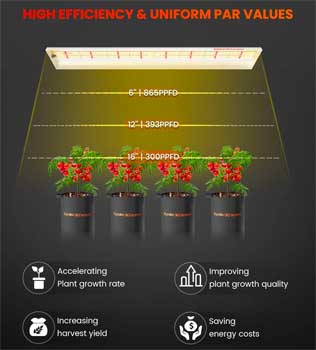
Greenhouses commonly use HID lights, fluorescents, and LEDs. Today, many gardeners prefer LEDs because they’re efficient and don’t throw off as much excess heat.
If you want a flexible, modern option, energy-efficient LED grow lights are popular because the spectrum can be tailored and the power draw is usually lower than older setups.
Note: Different growth stages respond to different spectrums. Many LED systems let you adjust output so seedlings and mature plants can both do well.
5. Light Timing and Duration
Most growers land somewhere around 12–16 hours per day, depending on the crop. Use timers so the schedule stays consistent. Consistency matters as much as intensity for many plants.
Make sure lights are distributed evenly across shelves and benches. Uneven coverage leads to uneven growth—plants stretch toward the bright side and get weaker.
Note: Spread lights out and avoid “hot spots” so you don’t end up rotating trays daily just to keep growth uniform.
6. Energy Costs
Winter greenhouse costs usually come from heating first, then lighting. LEDs are efficient, but long runtimes add up. Your insulation quality and local energy rates make a big difference.
If you’re cost-conscious, use timers, focus lighting on high-value zones (like seedling racks), and consider renewable options like solar if they fit your setup.
FAQs
1. What’s the easiest way to keep a greenhouse warm in winter?
- Start with sealing drafts and adding basic insulation (bubble wrap/thermal film). Then add a reliable heater sized for your greenhouse and climate, plus ventilation so humidity doesn’t spike.
2. Will polycarbonate really help with winter growing?
- Yes. Multiwall polycarbonate is popular because it holds heat better than single-layer coverings while still letting in lots of light. The insulation boost is noticeable on cold nights.
3. How do I prevent mold and mildew when it’s cold?
- Airflow is your friend. Vent on sunny days, run a small fan for circulation, water earlier in the day, and avoid leaving wet debris on the floor or benches.
4. How often should I remove snow from the roof?
- As often as needed to prevent buildup. Don’t wait for “one more storm.” A soft broom and gentle sweeping after each snowfall is the safest routine.
5. Do I always need grow lights in winter?
- No. If you’re growing cold-season greens and your greenhouse gets decent winter sun, you may be fine. Grow lights become more useful for seedlings, fruiting plants, and high-output winter production.
Conclusion
Using a greenhouse year-round is absolutely doable—it just takes a little planning. Choose sturdy materials, pay attention to wind and snow-ready design features, seal and insulate where it counts, and set up heating with proper ventilation so the air stays healthy. Add supplemental light only if your winter daylight and crop goals call for it. With those basics dialed in, your greenhouse can keep producing through every season.


