
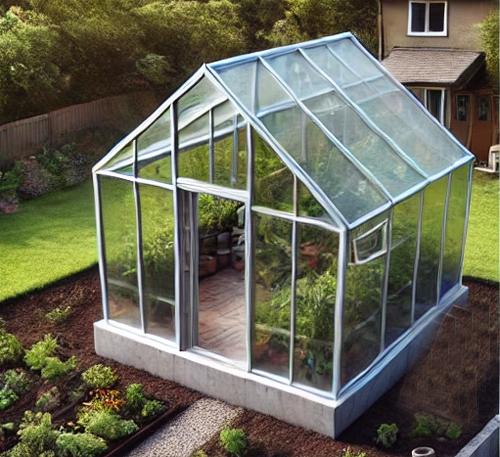
You can place a greenhouse right on the ground—but if you want it to stay level, last longer, and feel sturdier in bad weather, a foundation is usually the upgrade that pays off. A good base improves stability, helps cut heat loss, and gives the frame something solid to bite into—whether you’re building a long-term backyard setup or a seasonal hobby house.
Let’s keep this simple. Below is an easy way to decide if you need a foundation, which type makes sense for your yard, and how to build it without getting overwhelmed.
Do You Need A Foundation?
Some greenhouse kits are designed to “work” without a true foundation, especially small pop-ups or lightweight frames. But for most framed greenhouses, a foundation gives you real benefits:
- Stability: Helps prevent racking, shifting, tilting, and wind lift in storms.
- Insulation: Reduces heat loss through the ground and helps maintain steadier soil temperatures.
- Pest Prevention: Creates a barrier against burrowing animals and makes gaps harder for critters to exploit.
- Longevity: Cuts down on settling, moisture damage, and warped framing so the structure stays square longer.
If you’re setting up a short-term or portable greenhouse, you may be fine without a foundation. But if you want something that feels permanent (or you live in a windy/wet area), a base is usually worth it.
Checklist: Should You Build A Foundation?
- Climate Considerations
- Do you get strong winds, heavy rain, freezing temps, or occasional snow loads?
- Greenhouse Size
- Is it large enough that keeping the frame square matters (and won’t happen reliably on bare soil)?
- Soil Type
- Is your ground soft, sandy, uneven, or prone to settling over time?
- Permanent Or Temporary Use
- Is this a long-term greenhouse, or a portable model you’ll move or remove seasonally?
- Budget And Time
- Can you spend a little extra effort now to avoid re-leveling and repairs later?
Step-By-Step: Building A Greenhouse Foundation
1. Choose The Right Type
- Concrete Slab: Best for permanent builds. Maximum strength, easy to keep level, and adds thermal mass.
- Gravel Base: Fast, affordable, and excellent for drainage—perfect for many hobby greenhouses.
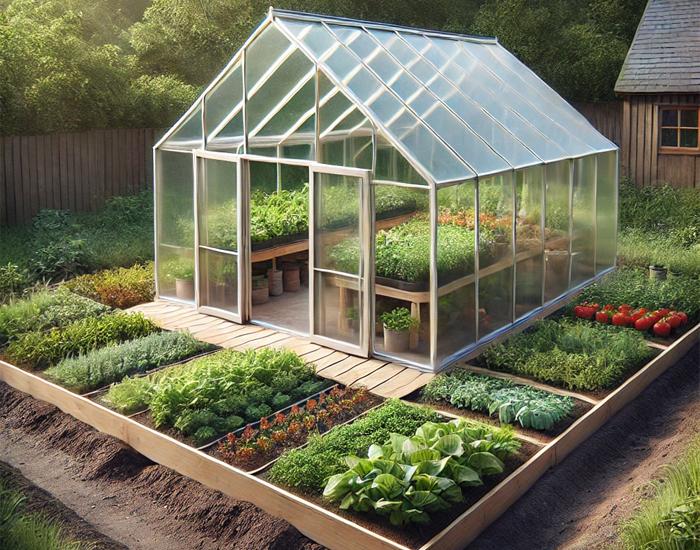
- Timber Frame: A raised perimeter that’s simple to DIY and works well if you want soil beds inside.
2. Measure And Mark The Area
- Use stakes and string to mark the exact footprint so the base matches your greenhouse dimensions.
3. Prepare The Ground
- Remove sod, roots, and debris. Then level the area as much as you can.
- If your yard stays wet, add and compact gravel to improve drainage and reduce mud.
4. Build The Foundation
- Concrete slab: Build forms, pour, smooth, then let it fully cure before installing your greenhouse.
- Timber frame: Cut treated or rot-resistant boards, assemble the rectangle, then secure it with stakes or brackets.
5. Anchor The Greenhouse
- Attach the base to your foundation using the manufacturer’s anchor kit or recommended brackets to prevent lift and shifting.
Common Beginner Mistakes
- Skipping Drainage
- If you ignore basic water management, you can end up with puddles under the greenhouse and soggy soil that invites root problems.
- Improper Measurements
- If the base isn’t square, the greenhouse frame can twist, doors can bind, and assembly becomes a headache.
- Using Untreated Wood
- Regular lumber breaks down quickly in damp soil. Use treated wood or naturally rot-resistant boards for a much longer lifespan.
- Forgetting About Heat Loss
- A foundation that leaks heat can keep soil colder than you expect, slowing growth during shoulder seasons.
FAQs
1. Do All Greenhouses Need A Foundation?
- No. Small, lightweight, or portable structures can sit on level ground. But for most framed kits, a foundation improves stability, warmth, and lifespan.
2. What’s The Cheapest Foundation Option?
- A compacted gravel pad is typically the most budget-friendly choice—and it also happens to drain extremely well.
3. How Long Does A Foundation Take To Build?
- Gravel and timber bases can often be done in a day. Concrete takes longer because you’ll need time for forming, pouring, and curing.
4. Can I DIY A Greenhouse Foundation?
- Yes. Many gardeners build their own foundations successfully. The keys are accurate measuring, keeping things square, and anchoring the frame correctly.
Pros And Cons Of Foundation Types
| Type | Pros | Cons |
|---|---|---|
| Concrete Slab | Strong, long-lasting, clean surface, adds thermal mass and stability. | More expensive and time-consuming to install properly. |
| Gravel Base | Low cost, fast to build, excellent drainage for paths and beds. | Less rigid than concrete; larger kits may need extra anchoring. |
| Timber Frame | Simple tools, natural look, ideal for soil beds and flexible layouts. | Wood can warp/rot over time without good materials and upkeep. |
Conclusion
A foundation isn’t always required—but it’s one of the best ways to make a greenhouse feel sturdier, stay warmer, and last longer. If your area gets wind, rain, frost, or shifting soil, a solid base can save you years of annoyance and repairs. Gravel, timber, and concrete all work—you just want the one that matches your climate, budget, and how permanent you want the greenhouse to be.


